- Home/
- Buy Zithromax in Online Pharmacy for United States Customers
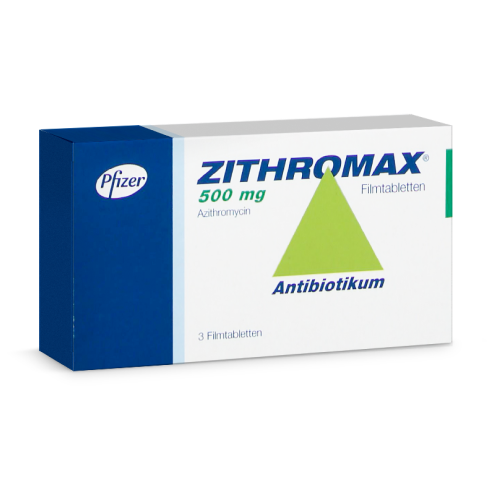
Zithromax (azithromycin) is an antibiotic prescribed in the United States for bacterial infections like sinusitis, pneumonia, and some sexually transmitted infections. It’s distinct for its short, easy-to-complete course—and for how its benefits and risks play out in real life. If you’re considering Zithromax, the most important thing to know is that expectations don’t always match outcomes: not every infection needs it, not every patient tolerates it the same way, and getting the best results means understanding when it’s the right tool for the job.
The Zithromax Moment: Why This Antibiotic Gets Chosen—And When
It’s never just about the bacteria. The classic “Z-Pak moment” happens when a doctor weighs your symptoms, recent antibiotic use, and the likely bugs at play—and chooses Zithromax for its speed, convenience, and broad reach. But those reasons aren’t always what patients imagine.
For many in the United States, Zithromax feels like a shortcut: a five-day, one-pill-per-day solution when you can’t afford to be sick for long. That reputation isn’t accidental. Azithromycin’s pharmacology—a long half-life and extensive tissue penetration—means it keeps working days after your last dose. For conditions like community-acquired pneumonia, some sinus infections, and certain STIs, that coverage makes it the go-to. But “go-to” doesn’t mean best for everything—or for everyone.
- Short Course: Five days (sometimes even fewer) versus 7–10 days with many other antibiotics.
- Once-Daily Dosing: Simpler to remember and stick to, especially for busy or forgetful patients.
- Good Tolerability: Less likely to cause severe gastrointestinal side effects than some antibiotics, but not side-effect free.
- Wide Spectrum: Covers many respiratory and some sexually transmitted bacteria, but resistance is rising.
- Perceived as “Strong”: Many patients ask for it by name, sometimes when not actually appropriate.
What’s missing from this typical Zithromax moment? Context. In the U.S., guidelines discourage automatic antibiotic use for viral infections (like most sinusitis or bronchitis). Multiple studies show Zithromax is overprescribed, especially in outpatient settings.1 Why does that matter? Because using Zithromax for the wrong infection won’t help—and may do harm by fueling antibiotic resistance or causing avoidable side effects.
Azithromycin’s Edge: How Zithromax Works—and Where It Stands Apart
Azithromycin, the active ingredient in Zithromax, isn’t just another antibiotic. Its molecular structure (a macrolide, if you want the technical term) lets it slip into bacterial cells and shut down their protein factories. But here’s what’s distinctive: it accumulates inside white blood cells and lung tissue, creating high concentrations exactly where the infection is raging. This is why doctors reach for it in respiratory infections—and why a short course works.
- Macrolide Antibiotic
- A class of antibiotics that stops bacteria from making proteins they need to grow and multiply. Includes drugs like azithromycin, clarithromycin, and erythromycin.
Yet there’s a catch. Azithromycin’s broad reach means it can kill many types of bacteria, but not the “toughest” ones. Methicillin-resistant Staphylococcus aureus (MRSA) and many hospital-acquired infections scoff at its approach. And compared to other antibiotics, resistance is a growing concern: the CDC warns that some bacteria once easily treated with Zithromax are now much harder to kill.1
What does this mean for you? Zithromax can be a powerful ally—when it’s the right fit. But “strong” isn’t always “best,” and choosing it when there’s a better alternative reduces its effectiveness for everyone. The mechanism is elegant, but the clinical decision is nuanced.
Expectations vs. Experience: What Taking Zithromax Really Feels Like
Imagine you’re handed a Z-Pak: five pills, one a day, and a promise you’ll feel better soon. For many, that’s exactly what happens—symptoms ease, side effects are minimal, and life returns to normal. But not every experience follows the script, and the “fast fix” isn’t always as predictable as it sounds.
Here’s what real patients in the U.S. report:
- Day 1: Some notice improvement within 24–48 hours. Others feel no change—or even mild stomach upset.
- Day 2–3: Fever and cough often begin to subside. Occasional diarrhea or metallic taste can appear.
- Day 4–5: Most feel significantly better. A minority develop persistent GI symptoms or new headaches.
- After finishing: Some still experience lingering side effects, especially changes in bowel habits, for several days.
What’s less obvious: Zithromax can interact with heart rhythm and, rarely, cause more serious problems (see the side effects section). And sometimes, the “failure” isn’t the drug—it’s the diagnosis: if the infection is viral, or the bacteria are resistant, improvement may not come as expected.
Expectation shapes experience. Understanding what’s normal—and what’s not—helps avoid disappointment, overuse, or unnecessary worry.
Comparing Choices: Zithromax and Its Antibiotic Rivals
In the world of antibiotics, choice is rarely about the “best” drug overall—it’s about the best match for your infection, your health status, and your life circumstances. Zithromax’s star power makes it the first request for many patients in the United States, but doctors routinely weigh it against alternatives like amoxicillin and doxycycline.
| Attribute | Zithromax (Azithromycin) | Amoxicillin | Doxycycline |
|---|---|---|---|
| Primary Uses | Respiratory infections, some STIs, traveler’s diarrhea, skin infections | Respiratory and ear infections, strep throat, urinary infections | Respiratory infections, STIs, Lyme disease, acne |
| Common Dosing | Once daily, usually 3–5 days | 2–3 times daily, 7–10 days | Once or twice daily, 7–14 days |
| Typical Side Effects | GI upset, diarrhea, rare heart rhythm issues | Allergy (rash), GI upset, yeast infections | GI upset, sun sensitivity, rarely esophageal irritation |
| Key Contraindications | Known allergy, previous heart rhythm issues (QT prolongation) | Allergy to penicillins | Pregnancy (relative), children under 8 |
| Cost (U.S.) | Generic: $10–$30/pack; Brand: higher | Very low, generic widely available | Low–moderate, generic widely available |
| Prescription Required? | Yes | Yes | Yes |
| Unique Features | Short course, long tissue half-life, fewer doses | Low allergy threshold, good for children | Broad spectrum, covers atypical bacteria, avoid sun exposure |
Why does this matter? In real U.S. practice, cost rarely decides the question—generic azithromycin is affordable at most pharmacies. The real differentiator is convenience (Zithromax wins), side effect profile (amoxicillin is safer for the heart, but useless if you’re allergic), and specific infection. For example, doxycycline is favored for tick-borne diseases and Zithromax cannot substitute.
“Patients often have a favorite antibiotic—usually Zithromax—based on a past good experience or a friend’s success. In practice, our decision turns on the likely bug, your medical history, and how much we worry about resistance. Zithromax is convenient and generally well-tolerated, but if the infection is viral, or if you’ve had heart rhythm problems, we’ll reach for something else.”
Dosing, Duration, Details: How Zithromax Gets Prescribed in the U.S.
There’s no one-size-fits-all. Zithromax’s dosing in the United States depends on the infection, the patient’s age, and sometimes kidney or liver function. But the “Z-Pak” (500 mg on day 1, then 250 mg daily for 4 more days) is by far the best-known regimen. Children get weight-based dosing, and certain infections require higher or longer courses.
| Indication | Adult Dose | Children’s Dose | Duration |
|---|---|---|---|
| Community-acquired pneumonia | 500 mg day 1, then 250 mg daily x 4 days | 10 mg/kg day 1, then 5 mg/kg daily x 4 days | 5 days |
| Acute sinusitis | 500 mg daily | 10 mg/kg daily | 3 days |
| Chlamydia (uncomplicated) | 1 g as a single dose | Not typically used | Once |
| Strep throat (off-label) | 500 mg day 1, then 250 mg daily x 4 days | 12 mg/kg daily x 5 days | 5 days |
| Traveler’s diarrhea | 500 mg once daily | 10 mg/kg once daily | 1–3 days |
Doctors may adjust these regimens for patients with liver impairment, severe kidney disease, or cardiac risk. One thing rarely changes: Zithromax is not taken with antacids (especially those containing aluminum or magnesium) within 2 hours, because they can reduce absorption.
Tip: Always finish the prescribed course—even if you feel better early. Stopping too soon can let the infection return and increase the risk of resistance.
Which Side Effects Matter Most with Zithromax—And When to Act
Gastrointestinal complaints—nausea, diarrhea, abdominal pain—are the most common side effects patients report in the United States. Most are mild, but it’s the rare ones that matter most: Zithromax can, in uncommon cases, disturb heart rhythm (QT prolongation), trigger severe allergic reactions, or worsen existing liver problems. What’s expected, what’s a warning sign?
| Side Effect | How Common? | Call Doctor If… |
|---|---|---|
| Diarrhea | Up to 10% | Severe, bloody, or persists after treatment |
| Nausea/Vomiting | 4–7% | Repeated vomiting prevents keeping medicine down |
| Headache | 2–5% | Severe, sudden, or associated with neck stiffness |
| Allergic reaction (rash, swelling) | Rare | Hives, facial swelling, trouble breathing—call 911 |
| Heart rhythm changes (QT prolongation) | Very rare (<1%) | Palpitations, fainting, chest pain—call doctor or 911 |
| Liver injury (jaundice, dark urine) | Very rare | Yellowing of skin/eyes, dark urine—call doctor immediately |
Most side effects are temporary. The ones that need urgent attention are the ones that change suddenly, don’t go away, or stop you from functioning. The FDA has issued warnings about rare but serious heart effects, especially for those with existing cardiac conditions or who take other QT-prolonging medications.2
If you’re unsure whether a symptom is “normal,” don’t guess—call your prescriber or pharmacist. When in doubt, better a false alarm than a missed complication.
When Not to Take Zithromax: Red Flags and Clinical Nuance
- Known allergy to azithromycin or other macrolides (e.g., erythromycin, clarithromycin).
- History of severe liver injury associated with prior azithromycin use.
- Previous life-threatening heart rhythm problems (QT prolongation, torsades de pointes).
- Current medications known to prolong QT interval (e.g., certain antipsychotics, antiarrhythmics).
- Significant liver or kidney impairment.
- Pre-existing heart rhythm abnormalities or family history of sudden cardiac death.
- Pregnancy and breastfeeding—generally considered safe, but discuss if alternatives are available.
Why the distinction? Absolute contraindications mean Zithromax should not be taken under any circumstances. Relative contraindications mean the risk may be acceptable, but only after careful risk-benefit discussion. In real-world U.S. practice, many contraindications are only discovered when a patient mentions another medication—or a forgotten allergy. If you’re unsure, check before starting even a single dose.
Access, Cost, and Availability: Getting Zithromax in the U.S. Healthcare System
In the United States, Zithromax is prescription-only. That means no over-the-counter access—not in person, not online, not legally. Most brick-and-mortar and online U.S. pharmacies stock both brand (Zithromax) and generic (azithromycin) formulations, with generics making up the vast majority of prescriptions filled.
Insurance Coverage: Azithromycin is on nearly all U.S. insurers’ formularies, usually at the lowest copay tier. For uninsured patients, generic packs (the “Z-Pak”) typically range from $10–$30 at most retail pharmacies, sometimes less with discount cards or programs.
Some pharmacy chains offer even lower prices via savings programs, but prices can vary by region. Mail-order pharmacies and telehealth platforms can legally prescribe and ship azithromycin—but only after a licensed U.S. provider has evaluated you. “Online pharmacy” offers to sell Zithromax without a valid prescription are illegal and risky; the FDA regularly warns against these sites.2
- Brand Zithromax may be more expensive but is rarely prescribed when a generic is available and appropriate.
- Medicare and Medicaid plans typically cover generic azithromycin with minimal out-of-pocket cost.
- Always check with your insurer or pharmacist for the exact copay or deductible impact in your plan.
Troubleshooting Zithromax: What If It’s Not Working or Causes Problems?
Not every clinical story is smooth. Sometimes symptoms don’t improve—or new, worrisome problems develop. What then?
| Problem | Possible Cause | What to Do |
|---|---|---|
| No improvement after 3 days | Infection is viral, bacteria are resistant, or wrong diagnosis | Call your doctor; don’t add another antibiotic on your own |
| Severe diarrhea or stomach pain | Side effect, possible C. diff infection | Contact doctor immediately; may need stool test or change in therapy |
| Rash, facial swelling, difficulty breathing | Allergic reaction | Stop medication; call 911 or go to ER |
| Palpitations, dizziness, fainting | Rare heart rhythm side effect | Seek prompt medical attention |
| Medication interaction (other drugs affected) | Azithromycin can interact with some heart and seizure medications | Inform your prescriber; never stop chronic meds without guidance |
Most minor side effects resolve after stopping Zithromax, but some require intervention. If symptoms worsen, last beyond your course, or new symptoms develop, reach out to your provider or pharmacist right away. Antibiotic stewardship—using the right drug, only when needed—means not trying “just one more course” without a clear diagnosis.
Zithromax FAQ: Real Questions from U.S. Patients
- Is it safe to take Zithromax if I have a heart condition?
- Azithromycin can rarely affect heart rhythm, especially in people with existing arrhythmias or who take medications that prolong the QT interval. Before starting, let your provider know about any heart history or related medications. In most cases, another antibiotic will be chosen if your risk is high.
- Why do I still feel sick after finishing my Zithromax course?
- Recovery depends on the type of infection and your overall health. If symptoms persist beyond the course, the infection could be viral, resistant, or misdiagnosed. Contact your healthcare provider for reassessment rather than starting another antibiotic on your own.
- Can I drink alcohol while taking Zithromax?
- Alcohol does not directly interfere with azithromycin’s effectiveness, but it can worsen side effects like nausea and may slow your recovery. Moderate consumption is generally safe, but it’s best to avoid alcohol until you’re well.
- Does Zithromax interact with my other medications?
- Azithromycin interacts with fewer drugs than many antibiotics, but it can increase the risk of heart rhythm issues when combined with certain medications (like some antipsychotics or antiarrhythmics). Always review your medication list with your prescriber or pharmacist before starting Zithromax.
- Is it okay to take Zithromax for a cold or the flu?
- No. Zithromax is not effective against viruses, including the common cold and influenza. Taking antibiotics unnecessarily increases resistance and exposes you to side effects without benefit.
- What if I miss a dose?
- Take the missed dose as soon as you remember, unless it’s nearly time for your next dose. Don’t double up. Finish the course as prescribed, and call your doctor or pharmacist if you miss more than one dose.
- How do I know if my infection is “resistant” to Zithromax?
- Resistance can’t be seen or felt. If you’re not improving after three days, your provider may order cultures to identify the bacteria and guide alternative treatment. Widespread resistance is a growing concern, especially for respiratory bacteria in the U.S.
- Can children take Zithromax?
- Yes, with weight-based dosing for most infections. However, it’s not first-line for all pediatric conditions. Your pediatrician will choose Zithromax only when evidence supports its use for your child’s particular infection.
References
- Antibiotic Use in the United States, Centers for Disease Control and Prevention, 2023
- FDA Drug Safety Communication: Azithromycin (Zithromax or Zmax), U.S. Food and Drug Administration, 2018
- Azithromycin (Oral Route) Proper Use, Mayo Clinic
- Azithromycin in the Treatment of Infections—Review, PubMed Central
- Antimicrobial Resistance, World Health Organization
- Prescribing Information: Zithromax, Pfizer Inc.
- Infectious Diseases Society of America. Clinical Practice Guidelines for Antibiotic Use.
- U.S. Food and Drug Administration