- Home/
- Buy Doxycycline Without Prescription in the United States Online
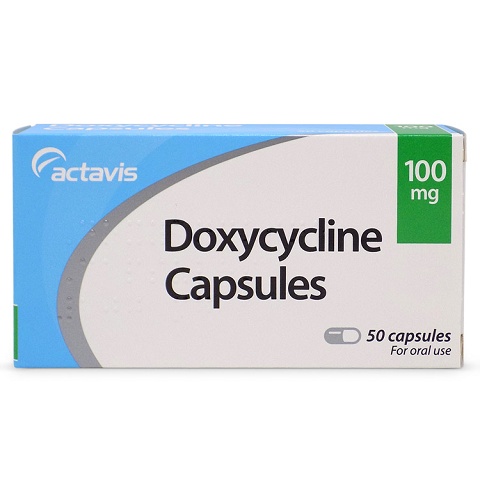
Doxycycline in the United States: Expert Guide to Safe Use, Prescription, and Patient Experience (2026)
Can Doxycycline Be Obtained Without a Prescription in the United States?
No, in the United States, Doxycycline is a prescription-only medication. You must consult a licensed healthcare provider for evaluation and obtain a valid prescription before purchasing this antibiotic from any pharmacy or online provider. Buying Doxycycline without a prescription is illegal and exposes you to significant medical and legal risks.
Key Facts About Doxycycline: Summary Table
| Parameter | Details (2026, US) |
|---|---|
| Active Ingredient | Doxycycline (various salts) |
| Prescription Required? | Yes, nationwide |
| Main Indications | Bacterial infections (respiratory, urinary, skin, Lyme disease, STIs, etc.) |
| Contraindicated In | Pregnancy, children <8 years, severe liver/kidney disease |
| Average Price (2026) | $0.40–$2.50 per 100mg tablet (generic) |
| Common Side Effects | GI upset, photosensitivity, esophagitis |
| Time to Effect | Typically 1–3 days for symptom improvement |
How Does Doxycycline Work? Mechanism and Metaphor
Doxycycline is a tetracycline-class antibiotic that works by inhibiting bacterial protein synthesis. More specifically, it binds reversibly to the 30S ribosomal subunit of susceptible bacteria, blocking the attachment of aminoacyl-tRNA to the mRNA-ribosome complex. This action prevents the addition of new amino acids to growing peptide chains, halting bacterial growth (bacteriostatic effect).
Doxycycline is active against a wide variety of Gram-positive and Gram-negative bacteria, as well as atypical organisms such as Chlamydia, Mycoplasma, and Rickettsia. It does not affect human cells because our ribosomes differ structurally from those of bacteria (FDA).
Metaphor: If bacteria are a factory, Doxycycline is like a lock on the assembly line, preventing workers from adding parts. The factory can’t make more products, and the infection can’t spread.
Myth vs Reality:
Myth: Doxycycline kills all bacteria instantly.
Reality: It primarily stops bacterial growth so your immune system can clear the infection.
Expert Commentary from doctor
In my practice, one of the biggest misunderstandings about Doxycycline is its wide range of uses. While it’s highly effective against many infections, it is not a “cure-all” and should never be used for viral illnesses. I often see patients request Doxycycline for colds or flu, but this is both ineffective and contributes to antibiotic resistance—a growing public health threat. Another practical point: Doxycycline can cause severe esophageal irritation if not taken with enough water. I’ve treated several patients for painful swallowing simply because they took it lying down or just before bed. Always take it upright with a full glass of water, and remain standing for at least 30 minutes after. Simple steps like these can prevent unnecessary discomfort and complications.
How Should Doxycycline Be Taken? Dosage and Administration Guide
Doxycycline dosing depends on the infection, patient’s age, weight, and organ function. The most common forms in the United States are 100mg tablets/capsules and oral suspension. Here’s a typical breakdown:
- Standard Adult Dose: 100mg twice daily (every 12 hours), with or after food, for 7–14 days.
- For some conditions: 200mg on day 1 (single or divided dose), then 100mg daily.
- Children over 8 years: 2.2mg/kg every 12 hours (not recommended under age 8 except for life-threatening conditions).
- Maximum Dose: Do not exceed 200mg in 24 hours unless directly advised by your doctor.
- Elderly Patients: Generally, no adjustment is needed, but monitor for side effects or organ impairment.
- Organ Impairment: In severe liver or kidney disease, use only under specialist supervision.
- Tablet splitting: Most Doxycycline tablets should not be split; use the prescribed dose and formulation.
- Duration: Complete the full prescribed course—even if you feel better—to prevent resistance.
When does it start to work? Symptom improvement usually begins within 1–3 days, but the infection may require a longer period to fully resolve.
Doxycycline and Food, Alcohol, and Lifestyle: What You Need to Know
- Should Doxycycline be taken with or without food?
-
It can be taken with food to minimize stomach upset, but avoid dairy products (milk, yogurt, cheese) within 2 hours before or after taking the dose. Calcium can reduce absorption by up to 50%.
Tip: Take it with a full glass of water, upright. - Can I drink alcohol?
- Moderate alcohol (e.g., 1 glass of wine) does not cause a direct, dangerous interaction, but heavy or chronic use can reduce effectiveness and increase liver risk. Best practice: Avoid alcohol while on treatment, especially with prolonged courses.
- What about grapefruit juice?
- Grapefruit juice does not have a clinically significant interaction with Doxycycline, but always check other medications you take.
- Can I take antacids or supplements?
- Avoid antacids, iron, calcium, magnesium, or zinc supplements within 2 hours of Doxycycline. They can bind the antibiotic and make it much less effective.
- Sun exposure?
- Doxycycline may cause photosensitivity—increased risk of sunburn. Use sunscreen and protective clothing if outdoors.
Bottom line: Food is okay (except dairy); avoid certain supplements; be sun-smart.
Who Should Not Take Doxycycline? Contraindications Explained
| Type | Details | Notes |
|---|---|---|
| Absolute |
|
Risk of permanent tooth discoloration, bone growth inhibition, fetal toxicity |
| Relative |
|
Use with caution; monitor closely |
Note: After recent major surgery or organ transplant, consult a specialist before starting Doxycycline.
What Side Effects Are Most Common with Doxycycline?
| Frequency | Side Effect | Mechanism / Comment |
|---|---|---|
| Very common (>1/10) | Nausea, diarrhea, abdominal pain | Irritation of GI tract |
| Common (1/100–1/10) | Vomiting, loss of appetite, photosensitivity, headache | Direct irritation, increased skin sensitivity |
| Uncommon (1/1,000–1/100) | Esophagitis, oral thrush (candidiasis), rashes | Tablet lodging, overgrowth of normal flora |
| Rare (<1/1,000) | Liver toxicity, severe allergic reaction (anaphylaxis), blood disorders | Immune-mediated, idiosyncratic |
| Very rare (<1/10,000) | Raised intracranial pressure, permanent tooth discoloration | Mostly in children, prolonged use |
What to do if side effects appear?
For mild GI upset, try taking with a small meal (not dairy). For severe headache, vision changes, jaundice, or rash—stop taking the drug and contact your doctor immediately. In case of breathing difficulty or swelling, seek emergency care (call 911).
Compatibility: Doxycycline with Other Medications and Products
| Product/Drug | Combine? | Possible Outcome |
|---|---|---|
| Acetaminophen (Tylenol) | Yes | No major interactions |
| Ibuprofen | Yes | No significant interaction, monitor GI symptoms |
| Oral Contraceptives | Yes, but | Slight theoretical reduction in effectiveness—use backup birth control |
| Warfarin | Caution | May increase anticoagulant effect—monitor INR |
| Antacids (calcium/magnesium) | No (within 2 hrs) | Reduces Doxycycline absorption—take separately |
| Iron supplements | No (within 2 hrs) | Reduces absorption |
| Alcohol | Limit | Heavy use may reduce effectiveness/increase liver risks |
| Grapefruit juice | Yes | No significant interaction |
Common Patient Mistakes Observed by doctor
- Taking Doxycycline with milk or dairy products: This can substantially decrease absorption, making it less effective. Solution: Avoid dairy 2 hours before and after.
- Swallowing the tablet without enough water or lying down immediately: Increases risk of esophageal irritation or ulceration. Solution: Take with a full glass of water and remain upright for at least 30 minutes.
- Stopping the course early when symptoms improve: Increases the risk of recurrence and antibiotic resistance. Solution: Always finish the prescribed course.
- Taking antacids, iron, or supplements near the antibiotic dose: Reduces drug effectiveness. Solution: Space these products at least 2 hours apart.
- Assuming it’s safe in pregnancy or for young children: Doxycycline is generally unsafe in these groups. Solution: Always inform your provider if you are pregnant, breastfeeding, or treating children.
- Not using sun protection: Many underestimate the risk of sunburn. Solution: Use sunscreen and wear protective clothing.
How Does Doxycycline Compare to Alternatives? (Cost, Onset, Safety)
| Parameter | Doxycycline | Amoxicillin | Azithromycin |
|---|---|---|---|
| Formulations Available | Tablet, capsule, suspension | Tablet, suspension | Tablet, suspension |
| Onset (typical symptom improvement) | 1–3 days | 1–2 days | 1–2 days |
| Duration of Action | 12–24 hours | 8–12 hours | 24–72 hours |
| Major Side Effects | GI upset, photosensitivity | GI upset, rash | GI upset, QT prolongation (rare) |
| Contraindicated In | Pregnancy, children <8 yrs | Severe penicillin allergy | Liver disease, cardiac arrhythmia risk |
| Price per 100mg tablet (2026) | $0.40–$2.50 (generic) | $0.10–$0.50 (generic) | $1.00–$5.00 (generic) |
| Prescription required? | Yes | Yes | Yes |
In short: Doxycycline offers broad coverage and is often preferred for atypical infections or when penicillins can’t be used. However, for certain infections, alternatives may be safer or more effective depending on the medical context.
Questions Frequently Asked to doctor
- Can I take Doxycycline if I have a penicillin allergy?
- Yes, Doxycycline is not related to penicillins and is often prescribed for patients with penicillin allergies. However, always inform your doctor about any medication allergies.
- What should I do if I miss a dose?
- Take the missed dose as soon as you remember, unless it’s close to your next scheduled dose. Never double up doses. Set reminders to reduce the chance of missing doses.
- Is it safe to use Doxycycline long-term?
- For chronic conditions (e.g., acne, rosacea), long-term use may be considered under specialist supervision, but risks like resistance or gut flora disturbance should be monitored. Regular follow-ups are essential.
- Will Doxycycline affect my birth control?
- While the reduction in oral contraceptive efficacy is minor and mostly theoretical, it’s recommended to use backup contraception during antibiotic treatment.
- Can I drive or operate machinery?
- Doxycycline rarely impairs alertness, but dizziness or vision changes may occur. If you feel unwell, avoid these activities until symptoms resolve.
- Is this antibiotic safe for my child?
- Doxycycline is generally not recommended for children under 8 due to tooth and bone risks, except in serious situations (e.g., Rocky Mountain spotted fever).
- How soon will I feel better?
- Most patients notice improvement in 1–3 days, but it’s critical to finish the entire course even if symptoms resolve early.
What Happens to Doxycycline in the Body? (Pharmacokinetics)
- Absorption: Well-absorbed orally (90–100% bioavailability).
- Onset: Peak plasma levels in 2–3 hours after dosing.
- Distribution: Widely distributed in tissues; crosses placenta.
- Metabolism: Minimal hepatic metabolism.
- Elimination: Primarily via feces (bile), with some renal excretion.
- Half-life (T1/2): 18–22 hours in healthy adults.
- Factors affecting levels: Impaired liver/kidney function can increase blood levels—dosing adjustments may be needed in severe cases.
Simple explanation: Doxycycline is rapidly absorbed, stays in your body up to a day, and is mainly eliminated through the gut rather than the kidneys.
Is Doxycycline Safe for All Patient Groups?
- Pediatric patients (<8 years): Avoid except for life-threatening infections. Risk of permanent tooth discoloration and bone growth effects.
- Pregnant or breastfeeding individuals: Generally contraindicated. Crosses placenta and is excreted in breast milk; can harm developing teeth and bones.
- Elderly: No routine dose adjustment; monitor for liver/kidney issues.
- Liver or kidney impairment: Use with caution; dose adjustment may be needed in severe cases.
- Fertility: No evidence Doxycycline affects fertility in adults.
- Ability to drive: Rarely affects concentration, but any dizziness or vision changes should prompt caution.
Original vs Generic Doxycycline: Is There a Difference?
- Active ingredient: Both original and generic Doxycycline contain the same molecule that provides therapeutic effects.
- Excipients (inactive ingredients): Generics may use different fillers or coloring agents, which rarely cause allergic reactions. Always check the package insert.
- FDA requirements: Generics must demonstrate bioequivalence to the original product (FDA).
- Cost: Generics are typically 2–4 times less expensive than brand-name products, with no compromise in clinical effectiveness.
- Appearance: Shape, color, and imprint may differ, but the active drug is the same.
Bottom line: Generic Doxycycline is safe, effective, and more affordable for most patients. If you’ve had allergic reactions to medication fillers before, inform your pharmacist or provider.
How to Obtain Doxycycline Legally in the United States: Step-by-Step
- Consultation: Schedule an appointment with a licensed healthcare provider (in-person or via a legitimate telemedicine service).
- Evaluation: The provider will assess your symptoms, medical history, and decide if Doxycycline is appropriate.
- Prescription: If indicated, you’ll receive an electronic or paper prescription.
- Pharmacy fill: Go to a local licensed pharmacy or use a verified online pharmacy that requires a prescription. Never purchase from sites that do not request a prescription.
- Insurance: Most health insurance plans, including Medicaid and Medicare, cover generic Doxycycline with a small copay.
- Verification: For online pharmacies, look for the FDA’s BeSafeRx or NABP VIPPS accreditation.
Legal note: Doxycycline purchased from unverified websites may be counterfeit, contaminated, or seized by US Customs. Using such sources is illegal and unsafe.
How to Spot Counterfeit Doxycycline: Security Checklist
- Packaging: FDA-approved Doxycycline always comes in sealed blisters or bottles with a prescription label and manufacturer info.
- Tablet/capsule: Should have a clear imprint code (letters/numbers), be uniform in color and shape. Beware of faded, broken, or misshapen pills.
- Labeling: US pharmacies provide a label with your name, drug name, dose, prescribing doctor, and pharmacy contact.
- Price: Prices much lower than the standard US range ($0.40–$2.50 per 100mg tablet) are suspicious.
- Verification: Some manufacturers now include QR codes or holograms—scan to verify authenticity if available.
- Generic vs original: Generics are safe if FDA-approved; always ask your pharmacist if in doubt.
What Should I Do in Case of Overdose?
- Stop taking Doxycycline immediately.
- Call emergency services (911) and report the dose and time taken.
- Do not attempt to induce vomiting unless specifically told to do so by a medical professional.
- Bring the medication packaging to the hospital if possible.
- Symptoms of overdose can include severe nausea, vomiting, confusion, or jaundice.
What If Doxycycline Doesn’t Work?
If you do not notice improvement after 3–4 days, or symptoms worsen, contact your provider promptly. Reasons for poor response may include resistance, incorrect diagnosis, or need for a different antibiotic class. Never increase your dose or add other antibiotics without medical advice.
Psychological Support: You’re Not Alone
Facing an infection can be stressful, especially if you worry about complications or antibiotic resistance. Remember, you are not alone—bacterial infections are common and treatable. If you feel overwhelmed or anxious, it’s okay to discuss your concerns with your provider or a mental health professional. Communication can speed recovery and prevent future issues.
Professional Opinion of doctor
As a physician, I find Doxycycline to be one of the most versatile and reliable antibiotics in our toolkit, particularly for respiratory, skin, tick-borne, and certain sexually transmitted infections. It’s especially useful for patients allergic to penicillins or with atypical bacterial infections. However, the benefits must always be weighed against specific risks—especially in pregnant women, children, and those with significant liver or kidney impairment. In my experience, most adverse effects can be prevented with proper administration and patient education. That said, Doxycycline is not always the first-line option; for some infections, alternatives like Amoxicillin or Azithromycin may be safer or more effective. Above all, antibiotic stewardship matters: never take Doxycycline unless prescribed, and always finish the course as directed. Your health—and the fight against antibiotic resistance—depend on it.
Quick Facts Table: Doxycycline Core Parameters
| Parameter | Value |
|---|---|
| Active Ingredient | Doxycycline Hyclate/Monohydrate |
| Prescription Required? | Yes (all US states, 2026) |
| Onset of Action | 2–3 hours to peak level |
| Duration of Effect | 12–24 hours |
| Half-life | 18–22 hours |
| Elimination Pathway | Feces (main), urine (minor) |
| Insurance Coverage | Most plans, including Medicare/Medicaid (generic) |
| Legal Status | Rx only |
FAQ: Doxycycline in the United States
- Can I buy Doxycycline without a prescription in the US?
- No. US law requires a valid prescription for all Doxycycline purchases.
- How much does Doxycycline cost in the United States?
- Generic Doxycycline Hyclate/Monohydrate costs $0.40–$2.50 per 100mg tablet in 2026.
- Is it safe to take Doxycycline with food?
- Yes, taking with food can reduce stomach upset—but avoid dairy around the time of dosing for best absorption.
- What are the most common side effects?
- Gastrointestinal upset (nausea, diarrhea), sun sensitivity, and rarely esophagitis if not taken properly.
- Can pregnant or breastfeeding women use Doxycycline?
- No, it’s generally contraindicated due to fetal and infant risks.
- How can I make sure I’m not buying counterfeit Doxycycline?
- Use only licensed US pharmacies or FDA-verified online pharmacies. Check packaging, imprint codes, and avoid “too good to be true” prices.
- Does Doxycycline interact with birth control?
- It may slightly reduce oral contraceptive effectiveness; using backup contraception is advised during treatment.
- Can I drink alcohol while taking Doxycycline?
- Light social drinking is not dangerous, but heavy drinking should be avoided due to liver risk and possible reduced effectiveness.
- What should I do if I miss a dose?
- Take it as soon as remembered unless it’s almost time for your next dose. Do not double up.
- How soon will I feel better?
- Most people improve within 1–3 days, but finish the full course.
References
- U.S. Food and Drug Administration. Doxycycline Prescribing Information. Accessed 2026. https://www.fda.gov
- Mayo Clinic. Doxycycline (Oral Route): Description and Brand Names. Accessed 2026. https://www.mayoclinic.org/drugs-supplements/doxycycline-oral-route/description/drg-20072063
- National Institutes of Health. Doxycycline. DailyMed Drug Label. Accessed 2026. https://dailymed.nlm.nih.gov/dailymed/
- Centers for Disease Control and Prevention. Antibiotic Use in the United States, 2025 Update. Accessed 2026. https://www.cdc.gov/antibiotic-use/
- PubMed. Doxycycline in clinical trials (2023–2025). Accessed 2026. https://pubmed.ncbi.nlm.nih.gov
- World Health Organization. Model List of Essential Medicines, 2025. Accessed 2026. https://www.who.int/groups/expert-committee-on-selection-and-use-of-essential-medicines
- National Association of Boards of Pharmacy. Buying Medication Safely Online. Accessed 2026. https://nabp.pharmacy/programs/accreditation/vipps/
Final note: This guide covers everything you need to know about Doxycycline in the United States—mechanism, safety, side effects, legal process, alternatives, and more. For individual recommendations, always consult a qualified healthcare professional licensed in your state.