- Home/
- Buy Ventolin Inhaler in Online Pharmacy Across the United States
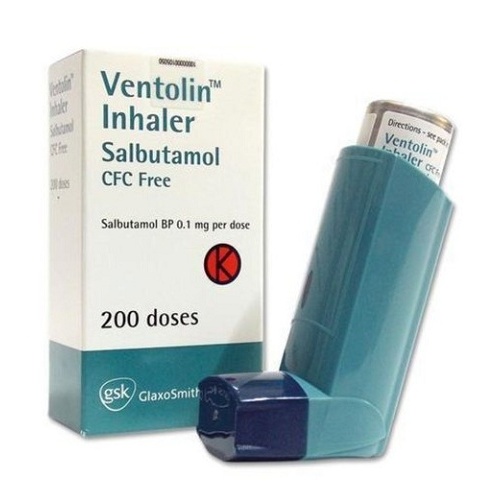
| Product Name | Ventolin Inhaler |
|---|---|
| Main Active Agent | Salbutamol (also known as Albuterol) |
| Therapeutic Use | Relief and prevention of asthma symptoms |
| Dose Formats | 100 micrograms per metered inhalation |
| How Quickly It Works | Begins to take effect within 5 minutes |
| Length of Relief | Typically 4 to 6 hours |
| Typical Use Pattern | As needed for symptoms or before triggers |
| Prescription Status USA | Requires prescription |
| Average Retail Price (USA) | $35–$70 per inhaler |
Ventolin Inhaler: Key Facts for Asthma Relief in the United States
Ventolin Inhaler is a widely prescribed treatment for asthma, containing the active substance Salbutamol (also called Albuterol in the U.S.). It is designed to rapidly relieve symptoms like wheezing, breathlessness, and chest tightness, and is available through pharmacies in the United States with a prescription. If you’re considering Ventolin, it’s important to understand how and when to use it, its suitability for your situation, and what to expect from treatment.
Asthma in the United States: How Common Is It—and Can It Be Managed?
Asthma is not an isolated or rare condition. In fact, according to the Centers for Disease Control and Prevention (CDC), 2022, approximately 25 million Americans live with asthma—that is 1 in 13 people. It’s a chronic respiratory disease that affects both children and adults, often causing symptoms that can be disruptive or frightening. The good news is that most people with asthma can live normal, active lives when symptoms are correctly managed. You are far from alone, and effective solutions are available.
How Ventolin Inhaler Works: From Airway Spasms to Steady Breathing
Asthma symptoms arise because the airways in your lungs tighten and become inflamed, making it hard to breathe. Ventolin Inhaler contains Salbutamol, a type of medicine called a short-acting beta-2 agonist. When you inhale Ventolin, it quickly relaxes the muscles around your airways. Imagine your air passages as flexible tubes—during an asthma attack, they squeeze shut. Ventolin acts directly on these muscles, causing them to loosen and widen the tubes, so air flows more freely.
Most people feel relief within minutes—less chest tightness, easier breathing, and a reduction in wheezing. This effect generally lasts between four and six hours. Importantly, Ventolin addresses the immediate symptoms but does not treat the underlying inflammation that causes chronic asthma. That is why it is typically used as a “rescue” medication for sudden symptoms or before activities that might trigger an attack, not as long-term control.
Is Ventolin Inhaler the Right Choice for You? Real-Life Scenarios
| Situation | Is Ventolin Inhaler Suitable? | Reason |
|---|---|---|
| You experience occasional wheezing or shortness of breath during exercise or allergy season. | Yes | Ventolin is effective for quick relief before triggers or when symptoms occur, providing fast-acting support. |
| Your doctor has prescribed a daily inhaled steroid, but you still have breakthrough symptoms now and then. | Yes, as a rescue inhaler | It complements controller medications, offering immediate relief during unexpected episodes. |
| You have frequent asthma attacks requiring your inhaler more than twice a week. | Not sufficient alone | If symptoms are this frequent, your asthma is not well-controlled with Ventolin alone—discuss daily preventive treatments with your healthcare provider. |
| You have a history of severe heart problems (like arrhythmia or recent heart attack). | Use with caution or avoid | Salbutamol can affect heart rhythm; your doctor should assess the risks and recommend alternatives or extra monitoring. |
| Your symptoms seem to worsen after using the inhaler, or you do not get relief. | No—seek medical advice | This may indicate a more serious issue or incorrect diagnosis—immediate evaluation is needed. |
As you can see, Ventolin Inhaler is suited for quick relief but not as the sole treatment for persistent or uncontrolled asthma. If you recognize yourself in scenarios where it is not sufficient, consult your healthcare provider for a more comprehensive asthma plan.
Making Ventolin Work for You: Practical Guidance and Everyday Tips
- When to use: Inhale one or two puffs when you experience symptoms (wheezing, tight chest, shortness of breath), or 10–15 minutes before known triggers (like exercise or exposure to allergens).
- How to use correctly: Shake the inhaler, breathe out fully, place the mouthpiece in your mouth, start inhaling slowly, press the canister once, and continue to inhale deeply. Hold your breath for about 10 seconds before exhaling.
- What if you miss or skip a dose? Since Ventolin is used as needed, missing a dose is less of a concern. Do not use extra doses unless symptoms return.
- If the inhaler does not bring relief: Wait a few minutes and try another puff. If symptoms persist after two doses, seek urgent medical attention—this could signal a severe asthma attack.
- When to be concerned: If you need your Ventolin Inhaler more frequently than prescribed (more than twice per week for symptoms), or if you experience side effects that trouble you, contact your healthcare provider promptly.
- Storage and maintenance: Store at room temperature, away from heat. Check the dose counter, if available, to ensure you have enough for emergencies.
Many patients benefit from a “spacer” device, especially children or anyone who finds coordination tricky. Spacers make it easier for the medicine to reach the lungs effectively. Always ensure your inhaler is not expired and has not run out—keep a spare if possible.
Who Should Not Use Ventolin Inhaler? Key Contraindications Explained
Certain conditions make Ventolin Inhaler either unsafe or only usable with extra caution. Here’s why:
- Severe allergy to Salbutamol or components of the inhaler: Using Ventolin could cause a life-threatening allergic reaction.
- Serious heart disease (such as arrhythmias, tachycardia, or recent myocardial infarction): Salbutamol may worsen abnormal heart rhythms or increase heart rate, posing significant risk.
- Uncontrolled high blood pressure: The medication can raise blood pressure further, which could be dangerous.
- Hyperthyroidism (overactive thyroid): Salbutamol can intensify symptoms like rapid heartbeat or anxiety.
- Severe hypokalemia (low potassium): This condition can be aggravated by Salbutamol, increasing the risk of muscle weakness or irregular heartbeats.
If you are unsure whether these apply to you, review your medical history with your healthcare provider before starting Ventolin Inhaler.
What Side Effects Can Happen—and Which Need Urgent Attention?
- Common but usually mild: Shakiness, headache, rapid heartbeat, feeling jittery or anxious, throat irritation, or muscle cramps. These often resolve shortly after use and do not require medical attention unless persistent or bothersome.
- Less common, may require consultation: Palpitations, chest pain, severe muscle cramping, or unusually high heart rate. Let your doctor know if these occur.
- Rare but serious (seek immediate help): Difficulty breathing that gets worse after using Ventolin, swelling of the face or throat, hives, severe dizziness, or loss of consciousness. These may indicate a severe allergic reaction or worsening asthma attack. In these situations, contact emergency services immediately by calling 911 in the United States.
Most people tolerate Ventolin well, but being alert to these signals helps you use it safely. Do not hesitate to seek urgent help if symptoms escalate unexpectedly.
Interactions: What Else Affects Ventolin Inhaler’s Safety?
Ventolin Inhaler (Salbutamol) may interact with other medicines, altering its effects or increasing risks. Notable interactions include:
- Beta-blockers (such as propranolol): These can block the effect of Salbutamol, potentially making asthma harder to control.
- Other stimulant medications (for ADHD or decongestion): Combining with similar agents can increase risks of heart side effects.
- Diuretics (water pills): May increase the risk of low potassium, especially when combined with Salbutamol.
- MAO inhibitors or tricyclic antidepressants: Can enhance cardiovascular side effects.
Always inform your healthcare provider of every medication and supplement you take. Adjustments or closer monitoring may be needed to avoid complications.
How Does Ventolin Compare? Alternatives and When They Make Sense
| Option | Type | Best For | When to Consider | Limitations |
|---|---|---|---|---|
| Ventolin Inhaler (Salbutamol/Albuterol) | Short-acting rescue inhaler | Immediate relief of acute symptoms, exercise-induced asthma | When fast relief is needed; as a backup to daily controller inhaler | Not suitable for long-term control; overuse signals poorly managed asthma |
| Levalbuterol (Xopenex) | Short-acting rescue inhaler | Patients sensitive to side effects of Salbutamol | If side effects are problematic with Ventolin | Typically more expensive; similar action |
| Inhaled corticosteroids (Fluticasone, Budesonide) | Daily controller | Managing chronic or frequent symptoms | If you need Ventolin often or have persistent symptoms | No immediate symptom relief |
| Combination inhalers (Steroid + Long-acting bronchodilator) | Daily controller with symptom prevention | Moderate to severe persistent asthma | When single medications do not provide control | Not intended for acute attacks |
| Nebulizer solutions | Mist inhalation (Salbutamol or similar) | Young children, severe attacks, hospital settings | If unable to use inhaler device | Less portable, more time-consuming |
For most with mild to moderate asthma, Ventolin remains the first-line option for rapid symptom relief. Those with persistent or poorly controlled asthma will benefit from daily maintenance inhalers. If side effects or control remain an issue, discuss alternative medications with your healthcare provider. The optimal plan is always individualized.
What You Will Actually Pay: Cost Breakdown for Ventolin Inhaler in the US
| Cost Item | Amount | Note |
|---|---|---|
| Doctor’s consultation (in-person) | $100–$200 | May be partially or fully covered by insurance; telehealth often less costly ($40–$80) |
| Prescription fee | $0–$25 | Some clinics add a fee; included in the visit at many locations |
| Ventolin Inhaler (per unit) | $35–$70 | Retail price for 200-dose inhaler; generics may be less expensive |
| Delivery (online pharmacy) | $0–$12 | Standard US shipping; varies by provider and speed |
| Total | $75–$307 | Lower end: telemedicine + generic + free shipping; higher end: in-person visit + brand + delivery |
Costs vary depending on your insurance coverage, choice of pharmacy, and whether you opt for brand or generic. Many online platforms provide telemedicine consultations and can ship directly to your home, but U.S. regulations require a valid prescription for legal purchase and delivery of Ventolin. The U.S. Food and Drug Administration (FDA) oversees the approval and monitoring of all inhalers sold in the country, helping ensure safety and authenticity.
Final Questions: Legality, Refills, and Safe Use Clarified
- Is it legal to buy Ventolin Inhaler online in the US? Yes, provided you have a valid prescription from a licensed healthcare provider. Reputable online pharmacies will verify your prescription before dispensing.
- How can I get a refill? Refills are issued by your clinic or via telemedicine. Many pharmacies allow automatic refill enrollment—check before running out.
- If I travel, can I carry my inhaler? Yes, always keep it with you in hand luggage, especially for air travel or unfamiliar environments.
- How do I spot a counterfeit inhaler? Buy only from regulated pharmacies. The FDA offers information about authorized sellers, and all genuine inhalers carry identifiable serial numbers and packaging details.
- What if I’m unsure about any symptom or reaction? Contact your healthcare provider for advice on any new, persistent, or concerning symptom. For severe breathing difficulty, call 911 immediately.