- Home/
- Buy Priligy in Online Pharmacy – Fast Delivery in United States
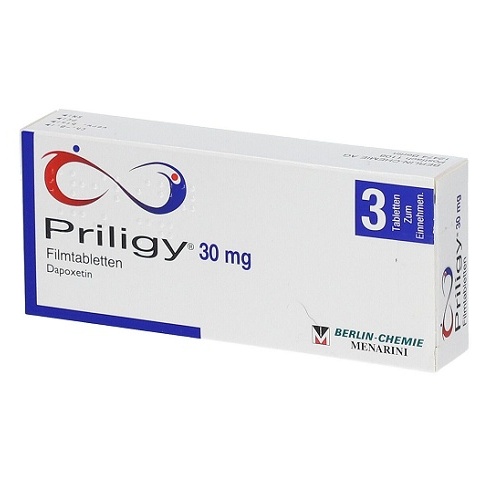
Can Priligy (dapoxetine) be purchased without a prescription in the United States?
No, Priligy (dapoxetine) cannot be purchased legally without a prescription in the United States. As of 2026, dapoxetine is not currently approved by the U.S. Food and Drug Administration (FDA) for the treatment of premature ejaculation, and obtaining it requires a valid prescription from a licensed healthcare provider. Any offers to sell Priligy without a prescription or outside regulated pharmacies are not legal and may pose significant health risks.
Key Takeaways
- Prescription Required: Priligy (dapoxetine) is not FDA-approved for premature ejaculation in the United States and is only accessible with a valid prescription from a licensed physician.
- Best Suited For: Men aged 18–64 with a clinical diagnosis of premature ejaculation, especially when behavioral strategies alone are insufficient.
- Expected Effect: When effective, Priligy can delay ejaculation within 1–3 hours after intake, but results vary and it does not cure the underlying cause.
- Key Safety Concern: Risk of side effects such as dizziness and fainting, especially when combined with alcohol or in patients with heart conditions.
- Alternatives Available: Other off-label medications and behavioral therapies are available; a specialist can help tailor the right approach.
- Seek Medical Advice If: You have cardiovascular, liver, or kidney disease, use other medications, or have experienced fainting or low blood pressure.
What is Priligy (dapoxetine), and who is it for?
Priligy is a medication containing the active ingredient dapoxetine, classified as a short-acting selective serotonin reuptake inhibitor (SSRI). It is specifically developed for the treatment of premature ejaculation (PE) in adult men. While Priligy is approved in many countries worldwide, as of 2026, it remains unapproved by the FDA in the United States for this indication. Nevertheless, U.S. physicians may sometimes consider off-label use with appropriate risk assessment and patient counseling, though this is less common due to regulatory and insurance limitations.
Eligibility for Priligy is determined after a clinical evaluation by a urologist, sexual medicine specialist, or qualified primary care provider. It is not recommended for men without a clear diagnosis of PE or those with certain health conditions, which will be discussed in more detail below.
How does Priligy (dapoxetine) work? Understanding the mechanism of action
Priligy’s active ingredient, dapoxetine, belongs to the class of short-acting selective serotonin reuptake inhibitors (SSRIs). It acts by inhibiting the serotonin transporter (SERT) in the brain, which leads to an increase in serotonin activity at synaptic clefts. In practical terms, higher serotonin levels in certain areas of the central nervous system delay the reflex that triggers ejaculation.
More specifically, dapoxetine inhibits the reuptake of serotonin, thereby enhancing serotonergic transmission in neural circuits involved in ejaculatory control. This effect is rapid but short-lived, as dapoxetine is quickly absorbed, reaches its peak in about 1–2 hours, and is eliminated from the body within several hours (FDA; PubMed).
Metaphor: If you imagine the ejaculatory reflex as a race car with a sensitive gas pedal, dapoxetine acts like a temporary dampener—making it take longer for the driver to hit full speed, so the finish line (ejaculation) is reached more slowly.
Important: The effect of Priligy depends on sexual arousal and does not cause an erection by itself. It is not a substitute for erectile dysfunction therapies.
Why Patients’ Expectations for Priligy Often Differ from Reality
In my clinical experience, one of the most common misconceptions is that Priligy will work as reliably as drugs for erectile dysfunction or provide a guaranteed, dramatic delay every time. Many patients expect a simple “on-off” switch effect, not realizing that improvements can be modest, variable, or influenced by psychological factors and context. I often see disappointment when men anticipate immediate, near-total control rather than a partial delay. Additionally, few patients ask about how to judge whether the medication is actually working, or discuss the role of stress, relationship dynamics, or performance anxiety in their overall sexual satisfaction. It’s also rare for patients to inquire about possible lifestyle adjustments that could complement medication use. I encourage those considering Priligy to clarify their goals and set realistic expectations—sometimes a 1-2 minute improvement can be clinically meaningful, even if it doesn’t “solve” the issue entirely.
How should Priligy be taken for best results?
Standard initial dose: 30 mg taken orally with a full glass of water, as needed, 1–3 hours before anticipated sexual activity. For patients who do not achieve sufficient benefit and tolerate the starting dose well, the dose may be increased to a maximum of 60 mg, always on an as-needed basis—not to exceed once in a 24-hour period (Mayo Clinic).
- Do not take more than one tablet in 24 hours.
- Peak effect: Occurs 1–2 hours after taking the tablet.
- Duration: Effects typically last 4–6 hours.
- Tablet splitting: Priligy tablets are not designed to be split or crushed. Dose adjustments should only be made by using the appropriate tablet strength.
In men over 65 or those with mild-moderate kidney or liver impairment, lower doses or extra caution are advised due to slower drug elimination. Priligy is not recommended for patients with severe hepatic impairment (EMA).
What should I know about food, alcohol, and lifestyle when taking Priligy?
- Food: Priligy can be taken with or without food. High-fat meals may delay absorption by 15–30 minutes but do not reduce the overall effect.
- Alcohol: Strictly avoid alcohol while using Priligy. Alcohol increases the risk of side effects, especially dizziness, fainting, and low blood pressure. Even moderate drinking can worsen these risks.
- Grapefruit juice: Not specifically contraindicated, but since grapefruit can affect the metabolism of certain medications via cytochrome P450 enzymes, it is prudent to avoid it unless otherwise directed.
- Driving & machinery: Priligy can cause drowsiness, dizziness, or blurred vision. Do not drive or operate heavy machinery until you know how the medication affects you.
Who should not take Priligy? Absolute and relative contraindications
- Absolute Contraindications (Never Use):
-
- Concurrent use of monoamine oxidase inhibitors (MAOIs) or thioridazine, or use within 14 days before or after dapoxetine—risk of serious serotonin toxicity.
- Significant heart conditions: e.g., unstable heart failure, arrhythmias, significant valvular disease, recent (past 6 months) heart attack or stroke.
- Significant liver impairment.
- History of syncope (fainting) or known orthostatic hypotension.
- Allergy to dapoxetine or any of its components.
- Relative Contraindications (Caution Needed):
-
- Kidney disease: moderate impairment requires extra monitoring; severe impairment—avoid use.
- Current use of other serotonergic medications (e.g., SSRIs, SNRIs, tricyclic antidepressants, St. John’s Wort): increased risk of serotonin syndrome.
- Uncontrolled epilepsy.
- Use of potent CYP3A4 inhibitors (e.g., ketoconazole, ritonavir): these can raise dapoxetine levels dangerously.
- History of mania or bipolar disorder.
Why are these conditions problematic? Priligy affects heart rhythm and blood pressure, and increases serotonin activity, which can trigger dangerous interactions or worsen certain diseases. Always disclose your full medical history to your doctor.
What side effects are most common with Priligy?
- Very common (>10%):
-
- Dizziness and lightheadedness (up to 14%)—caused by effects on blood pressure and serotonin.
- Nausea (up to 11%).
- Common (1%–10%):
-
- Headache.
- Diarrhea.
- Insomnia.
- Fatigue.
- Increased sweating.
- Restlessness, anxiety, or irritability.
- Blurred vision.
- Reduced sexual desire (rare).
- Rare (<1%):
-
- Fainting (syncope), especially when standing up quickly—linked to a sudden drop in blood pressure.
- Palpitations or rapid heartbeat.
- Seizures.
- Allergic reactions (rash, swelling, difficulty breathing).
- Serotonin syndrome (serious, life-threatening): high fever, agitation, confusion, muscle twitching—especially with other serotonergic drugs.
- What to do if side effects occur?
-
- Mild symptoms: Usually resolve with dose adjustment; consult your doctor.
- Sudden fainting, chest pain, severe allergic reaction, or seizure: Seek emergency medical attention immediately.
- If in doubt, call your healthcare provider promptly for advice.
Pitfalls and Common Errors Patients Make with Priligy
- Taking Priligy too close to sexual activity: The medication needs 1–3 hours to reach full effectiveness. Taking it immediately before intercourse often leads to disappointment.
- Using the drug more frequently than prescribed: Some believe more frequent dosing will improve results, but this increases risk of side effects without added benefit.
- Mixing with alcohol: Even small amounts can intensify dizziness and fainting, undermining both safety and efficacy.
- Stopping medication after a single unsatisfactory experience: Maximum benefit may require several trials. Early discontinuation prevents proper assessment of effectiveness.
- Failing to inform the doctor about other medications: This can lead to dangerous drug interactions, especially with antidepressants or heart medications.
- Assuming Priligy addresses all intimacy issues: The drug treats symptoms, not underlying relationship or psychological factors.
To avoid these pitfalls, follow your doctor’s instructions carefully, keep a treatment diary, and never adjust your dose without professional guidance.
How does Priligy compare to alternatives for premature ejaculation?
Several medications are used off-label for premature ejaculation in the United States, often with different risk profiles, speeds of onset, and costs. Below is a comparative table featuring typical options:
| Medication | Onset Speed | Duration | Common Side Effects | Cost per tablet (USD) | FDA Approval for PE |
|---|---|---|---|---|---|
| Priligy (dapoxetine) | 1–3 hours | 4–6 hours | Dizziness, nausea, headache | $18–$30 (not FDA-approved, imported only) | No |
| Paroxetine (Paxil) | Daily, effect seen after several days | 24+ hours | Sexual dysfunction, drowsiness | $1–$3 (generic) | No |
| Sertraline (Zoloft) | Daily, effect seen after several days | 24+ hours | GI symptoms, insomnia, sexual dysfunction | $1–$3 (generic) | No |
| Clomipramine | 2–4 hours | 6–12 hours | Drowsiness, dry mouth, sexual dysfunction | $1–$5 | No |
- Priligy’s main advantage: On-demand use and rapid onset, with effects limited to the day of use—less risk of long-term side effects.
- Main drawbacks: Higher price, less insurance coverage, not FDA-approved, side effects can be acute, especially for those with heart or blood pressure concerns.
- Other SSRIs: Lower cost, but require daily use and have a higher risk of chronic side effects such as sexual dysfunction.
Priligy (Dapoxetine) Technical Details at a Glance
| Parameter | Value |
|---|---|
| Active Ingredient | Dapoxetine hydrochloride |
| Available Strengths | 30 mg, 60 mg tablets |
| Administration | Oral, as-needed, 1–3 hours before intercourse |
| Peak Plasma Level | 1–2 hours after ingestion |
| Half-life (T1/2) | Approximately 1.5–2.5 hours (short-acting) |
| Metabolism | Liver (CYP2D6, CYP3A4 pathways) |
| Elimination | Primarily via urine |
| Storage | Room temperature, away from moisture and heat |
| Packaging | Blister packs in branded box; check for manufacturer hologram and lot number |
Priligy Compatibility Check
| Product Type | Can it be combined? | Consequences |
|---|---|---|
| Aspirin | Yes | No significant interaction |
| Nitroglycerin or other nitrates | STRICTLY NO | Life-threatening drop in blood pressure |
| SSRIs (e.g., fluoxetine) | No | Risk of serotonin syndrome |
| MAO inhibitors | STRICTLY NO | Potentially fatal serotonin syndrome |
| Alcohol | No | Increased risk of fainting and dizziness |
| Grapefruit juice | Best avoided | Potentially increases drug levels |
| Common cold medications (decongestants) | Generally yes | Check with doctor, as some may interact |
How does the body process Priligy?
Dapoxetine is rapidly absorbed in the digestive tract, reaching peak blood levels in 1–2 hours. It is primarily metabolized in the liver through the CYP2D6 and CYP3A4 enzymes, then excreted via the urine. The main active fraction has a half-life of 1.5 to 2.5 hours, which means the body eliminates half the drug in that time. This short action reduces the risk of long-term accumulation and persistent side effects. However, problems can arise in people with liver or kidney impairment, resulting in prolonged exposure and higher risk of side effects.
What should specific patient groups know about Priligy?
- Older adults (>65 years): Not routinely recommended due to increased risk of side effects and lack of sufficient research.
- Kidney or liver disease: Use only with caution and medical supervision, as elimination is slower, raising the risk for adverse effects.
- Cardiovascular disease: Priligy can lower blood pressure and cause fainting, especially in men with heart rhythm disorders or those taking antihypertensives.
- History of depression, bipolar disorder, or epilepsy: May worsen mental health or trigger seizures—avoid unless specifically cleared by a specialist.
- Fertility & family planning: No evidence that dapoxetine impairs fertility; not recommended for men attempting to father a child without professional guidance.
- Driving and operating machinery: If you experience drowsiness, dizziness, or vision changes, do not drive or perform hazardous tasks.
How do original Priligy and generic dapoxetine compare? Are generics safe?
Original Priligy is manufactured by authorized companies (e.g., Menarini, Astellas) and distributed under strict quality controls. After the patent expired, many generics containing dapoxetine became available internationally. Generics contain the same active ingredient but may differ in excipients (inactive substances), tablet appearance, and packaging. In the United States, generic dapoxetine is not FDA-approved, so products labeled as such online are likely imported and unregulated.
- Generics can offer cost savings but carry a higher risk of inconsistency, especially from unregulated sources.
- Allergic reactions: Some excipients in generics may cause hypersensitivity in certain individuals.
- To ensure safety, obtain medications only through verified, licensed pharmacies and avoid offers from unofficial online sellers.
What is the process for getting Priligy in the United States?
- Step 1: Make an appointment with a urologist, sexual medicine specialist, or primary care provider familiar with male sexual health. Telehealth platforms may also offer evaluations in larger cities (e.g., New York, Los Angeles, Chicago).
- Step 2: Undergo a detailed medical assessment, including a discussion of your sexual history, current health, and other medications.
- Step 3: Receive a diagnosis (premature ejaculation is defined using specific criteria, such as time to ejaculation and distress level).
- Step 4: Discuss treatment options, including behavioral strategies and off-label medication use.
- Step 5: If Priligy is prescribed, the provider issues a prescription. Because Priligy is not FDA-approved, it may need to be filled via a compounding pharmacy or imported through a regulated channel (if available).
- Step 6: Fill your prescription at a licensed pharmacy, always verifying product authenticity and discussing any concerns with your pharmacist.
How can I identify a legitimate online pharmacy in the United States?
- Verify licensing: Look for certification by the National Association of Boards of Pharmacy (NABP, NABP) and the “.pharmacy” domain.
- Check for a valid street address and phone number. Avoid websites that hide their location or offer only email contact.
- Avoid sites that:
- Sell prescription drugs without requiring a prescription.
- Offer prices that seem too low to be credible.
- Fail to provide pharmacist consultation or customer support.
- Look for FDA safety notices: The FDA maintains a list of warning letters and unsafe online sellers (FDA).
- Be skeptical of “international” or “overseas” pharmacies that bypass U.S. regulations. These may ship counterfeit or substandard products.
- Always review medication upon delivery: Check for manufacturer information, lot number, and security features such as holograms or QR codes.
How can I tell if my Priligy is genuine or counterfeit?
- Original Priligy is packaged in sealed blisters with batch numbers, expiration dates, and clear branding (e.g., Menarini or Astellas logo).
- Packaging should be intact, with no spelling errors, blurry printing, or poor-quality images.
- Some manufacturers include holographic seals or QR codes for verification. In the U.S., such features are becoming more common.
- Tablet appearance: Standard tablets are round, light gray or white, often engraved with “30” or “60.” Shape or color deviations may signal a counterfeit.
- Unusually low price: A much lower price than at established pharmacies is a red flag and may indicate a counterfeit or substandard product.
- If in doubt, contact the manufacturer directly using information from their official website, or ask your pharmacist to verify authenticity.
- Remember, generics may look different but should still come from a reputable, licensed source. Unregulated generics from online sellers can be unsafe.
How should original Priligy look, and what details should I check?
- Color: Tablets are typically off-white or light grey.
- Shape: Round, sometimes with a score line, and engraved with “30” or “60.”
- Packaging:
- Blister pack sealed, with manufacturer’s branding (Menarini, Astellas, or approved generic company).
- Box should include a batch number, expiry date, and country of manufacture.
- Look for holographic stickers or QR codes as anti-counterfeiting measures.
- Instructions should be in English, clearly printed.
- Check your tablet before use: If it looks different than expected or the packaging seems tampered with, do not use the product and consult your pharmacist.
What should I do if I accidentally take too much Priligy?
- Stop taking the medication immediately.
- Call emergency services (911) in the United States without delay.
- Inform healthcare professionals about the name, dose, and time of ingestion.
Symptoms of overdose may include severe dizziness, fainting, palpitations, vomiting, agitation, or seizures. There is no specific antidote; treatment is supportive. Never try to “wait it out” at home, especially if symptoms are severe.
Myth vs Reality: Does Priligy work instantly and solve all sexual issues?
- Myth: Priligy works for every man, every time, and guarantees long-lasting control.
- Reality: Clinical studies show that while many men experience a delay in ejaculation, the degree of improvement varies. Realistic expectations and addressing psychological factors are crucial for success.
Premature ejaculation is common and manageable—you’re not alone
Premature ejaculation is one of the most frequent male sexual concerns worldwide. Psychological stress, relationship factors, and performance anxiety often play a role alongside biological causes. Discussing these concerns openly with your partner or a qualified professional can significantly enhance treatment success and satisfaction.
Questions Frequently Asked to doctor Regarding Priligy Treatment
- How will I know if Priligy is working for me?
- I recommend keeping a record of your experiences over several uses. Success is typically measured by an increase in time to ejaculation and reduced distress. Improvements may be modest but clinically meaningful, so look for gradual changes rather than dramatic shifts.
- Is it safe to take Priligy with my antidepressant or anxiety medication?
- Combining Priligy with other serotonergic medications increases the risk of serotonin syndrome. Always inform me of all medications and supplements you take so I can assess for dangerous interactions.
- Can I alternate between Priligy and a daily SSRI for premature ejaculation?
- Alternating is not usually recommended due to unpredictable drug interactions and overlapping side effects. We can discuss which approach aligns best with your needs and risk factors.
- Do I need to take Priligy before every sexual encounter?
- No, Priligy is taken on demand, typically only before planned sexual activity. If your pattern or needs change, let me know so we can adjust your treatment plan accordingly.
- How long should I continue treatment if I don’t see improvement?
- If you see little or no benefit after four to six attempts, or if side effects outweigh the positives, it’s worth reassessing your strategy. Sometimes, another approach or referral to a specialist is needed.
- Will my insurance cover Priligy or alternative therapies?
- Because Priligy is not FDA-approved in the United States, most insurance plans do not cover it. We can discuss alternative, insurance-covered options if cost is a concern.
doctor’s Practical Treatment Assessment: Who Should (and Should Not) Use Priligy?
In my clinical judgment, Priligy is best suited for adult men aged 18–64 who meet diagnostic criteria for premature ejaculation and have not achieved adequate relief with behavioral interventions alone. Ideal candidates are healthy, have no major cardiovascular, liver, or psychiatric comorbidities, and desire an on-demand, short-acting medication. For patients who require daily management, have a history of depression or are on antidepressants, or have significant heart disease, alternative therapies are likely safer and more practical. In cases where Priligy produces only marginal benefit or intolerable side effects, reassessment is crucial; sometimes, a trial of behavioral therapy or switching to a daily SSRI or tricyclic is warranted. Ultimately, treatment must be tailored to each patient’s medical, psychological, and relationship needs, with ongoing monitoring for efficacy and safety. I emphasize realistic expectations: Priligy can be life-changing for some but is not a panacea, and regular follow-up is key to optimizing outcomes.
Frequently Asked Questions about Priligy in the United States
- Is Priligy (dapoxetine) legal in the United States?
- No, Priligy is not FDA-approved for premature ejaculation and is not available as a standard prescription drug in the United States. Any product labeled as Priligy sold without prescription or from unregulated sources may be illegal and unsafe.
- How effective is Priligy for premature ejaculation?
- Clinical studies show Priligy can delay ejaculation by 1–3 minutes on average compared to placebo, with improvements most pronounced within the first several uses. Results are variable between individuals.
- Can I get Priligy via telemedicine?
- Some telemedicine providers may offer off-label prescriptions for dapoxetine after a medical evaluation, but product availability is limited due to regulatory constraints. Always use licensed and accredited platforms.
- How long does Priligy last?
- Its effect typically lasts 4–6 hours after administration, making it suitable for on-demand use before sexual activity.
- What should I do if I forget to take Priligy?
- Priligy is not intended for daily use. Only take it as needed before planned sexual activity. Do not double dose if you forget.
- What is the price of Priligy in the United States?
- Because Priligy is not FDA-approved, it is not widely available through U.S. pharmacies. Imported or generic versions range from $18–$30 per tablet, but such products should be purchased only from verified, licensed sources to avoid counterfeits.
- Can Priligy be used in combination with erectile dysfunction drugs (e.g., sildenafil)?
- There are no direct drug-drug interactions, but both drugs can lower blood pressure. Always consult your doctor before combining treatments.
- Are there withdrawal symptoms if I stop Priligy?
- Because it is used intermittently, withdrawal symptoms are extremely rare. However, if you have concerns about mood or other symptoms, contact your provider.
References
- FDA. U.S. Food and Drug Administration. https://www.fda.gov
- Mayo Clinic. Dapoxetine: Uses, Dosage, and Side Effects. https://www.mayoclinic.org
- EMA. European Medicines Agency. https://www.ema.europa.eu/en
- National Association of Boards of Pharmacy (NABP). https://nabp.pharmacy/
- PubMed. Dapoxetine clinical studies and reviews. https://pubmed.ncbi.nlm.nih.gov/
- ClinicalTrials.gov. Dapoxetine trials for premature ejaculation. https://clinicaltrials.gov/
- WHO. World Health Organization. https://www.who.int/