- Home/
- Buy Rybelsus in Online Pharmacy for United States Customers
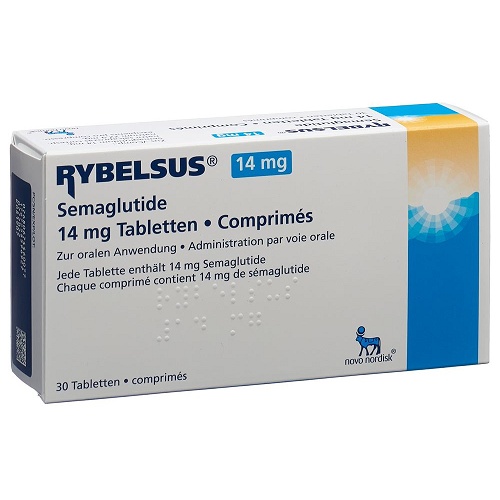
Why Rybelsus? The Real-World Story Behind the Pill
Sometimes a pill changes the landscape. For years, people with Type 2 Diabetes in the United States faced a familiar sequence: metformin first, then maybe a sulfonylurea, or the leap to daily injections. Convenience mattered, but real-life routines clashed with medical theory. Rybelsus, the first and only oral GLP-1 receptor agonist approved by the FDA, promised to rewrite part of that story.
The appeal wasn’t just novelty. For patients, injectable GLP-1 medications like Ozempic (semaglutide) and Trulicity brought new hope—but also new barriers. Injections can be intimidating, expensive, and hard to stick with. Enter Rybelsus: the same active ingredient as Ozempic, but in a once-daily pill. The idea was simple. The reality—how it fits into daily life, who benefits, and who doesn’t—is more complex.
Clinical Insight: “Rybelsus is the first real shot at getting GLP-1 benefits to people who would never consider an injection. But it’s not just ‘Ozempic in a pill’—how you take it, what you expect, and how your body responds are all different.”
– Endocrinologist, United States
That complexity matters. Some patients in the U.S. find themselves thriving on Rybelsus—better blood sugar control, some weight loss, a routine that finally fits. Others struggle: the pill must be taken in a very particular way, stomach upset can be a real issue, insurance coverage is spotty, and expectations—shaped by dramatic stories in the media—may run ahead of reality.
What Sets Rybelsus Apart from Other Diabetes Medications?
Most diabetes pills in the United States either boost your body’s insulin release or help your tissues respond to insulin. Rybelsus works differently. It mimics a hormone (GLP-1) that helps regulate both insulin secretion and appetite—a dual effect that’s changed modern diabetes care.
- Oral GLP-1: Rybelsus is the only GLP-1 receptor agonist available as a pill, not an injection.
- Weight and Blood Sugar: Clinical trials found Rybelsus can help with weight loss as well as glucose control, though individual results vary.
- Strict Dosing Routine: Unlike metformin or SGLT2 inhibitors, Rybelsus demands morning fasting, exact timing, and no food or drink for at least 30 minutes after dosing.
- Insurance Landscape: Rybelsus is newer and generally more expensive than older oral drugs, and coverage by U.S. insurance plans varies.
For patients who dislike needles or don’t want a weekly shot, Rybelsus is a game-changer. For those who value flexibility or have unpredictable mornings, it can be a headache. The trade-off is real: convenience versus routine, innovation versus cost.
Semaglutide in a Pill: How Rybelsus Works Inside Your Body
Semaglutide is the ingredient that powers both Rybelsus and its injectable sibling, Ozempic. But putting it in a pill was a pharmaceutical feat: semaglutide is a peptide, and peptides usually get digested before they ever reach the bloodstream. Rybelsus uses a special absorption enhancer (SNAC) that helps semaglutide survive the stomach and make its way into your body.
- GLP-1 Receptor Agonist
- A class of drugs that mimic the action of the natural hormone GLP-1, increasing insulin when blood sugar is high and reducing appetite.
- SNAC (Sodium N-[8-(2-hydroxybenzoyl) Amino] Caprylate)
- An absorption enhancer unique to Rybelsus that allows the semaglutide molecule to be absorbed from the stomach instead of being destroyed by stomach acid.
What does this mean for you? Rybelsus doesn’t just lower blood sugar. Most patients also notice a reduction in appetite, and some lose weight. The effect is not instantaneous—most people see gradual changes over weeks to months, not days. This slow change is by design, aiming for stability rather than dramatic swings.
When comparing Rybelsus to metformin or SGLT2 inhibitors, the dual action—blood sugar and some appetite suppression—stands out. But the pill’s unique delivery system means it must be taken exactly as instructed, or the medicine may not work at all.
Taking Rybelsus the Right Way: Small Details, Big Difference
Of all the diabetes medications on the U.S. market, few are as fussy as Rybelsus about how they’re taken. This is not a “take with breakfast” kind of pill.
- Take Rybelsus first thing in the morning, as soon as you wake up.
- Swallow with no more than 4 ounces (about half a glass) of plain water—nothing else.
- Wait at least 30 minutes before eating, drinking, or taking any other oral medication.
Missing the timing window or not following these steps isn’t just an inconvenience—it could mean the medicine doesn’t work as intended. For people whose mornings are hectic, this requirement can make adherence hard. Some patients find it helpful to set an alarm, keep the pill and water by the bedside, and wait before starting their day.
| Dose | When Used | How Long at Each Dose |
|---|---|---|
| 3 mg once daily | Starting dose (not for blood sugar control) | First 30 days only |
| 7 mg once daily | Usual maintenance dose | After first 30 days |
| 14 mg once daily | If additional control needed | If tolerated after at least 30 days at 7 mg |
Interpretation: Rybelsus is always started at the lowest dose (3 mg) for one month to limit stomach upset. This dose is for “getting used to the pill”—it will not, by itself, control your blood sugar. After a month, your doctor will raise you to 7 mg and, only if needed and tolerated, up to 14 mg. Never increase the dose on your own.
Which Side Effects Matter Most with Rybelsus—and When to Act
Nearly every patient on Rybelsus notices something—usually mild nausea, sometimes heartburn, a change in appetite, or softer stools. These effects are common and often settle after a few weeks. But a much smaller number experience severe symptoms that need medical attention.
The art is knowing which side effects are “expected” and which signal danger.
- Nausea and Vomiting: Very common, especially at the start. Usually improves with time or after dose adjustment.
- Loss of Appetite: Most patients notice this, but if you cannot eat or keep fluids down, call your doctor.
- Diarrhea or Constipation: Both can occur. Persistent, severe, or bloody symptoms need evaluation.
- Pancreatitis (Rare): Severe abdominal pain that doesn’t go away, vomiting, and fever require emergency care.
| Side Effect | How Common? | When to Contact Your Doctor |
|---|---|---|
| Nausea, vomiting | Very common (up to 20%) | If persistent or leads to dehydration |
| Loss of appetite | Common | If unable to eat or drink normally |
| Diarrhea | Common (up to 10%) | If severe, persistent, or bloody |
| Constipation | Less common | If lasts more than 7 days or severe pain develops |
| Pancreatitis | Rare (<1%) | Severe constant abdominal pain—go to ER |
| Allergic reaction | Very rare | Swelling, rash, trouble breathing—call 911 |
For most patients: mild nausea and appetite changes are expected and fade over time. But sudden, severe, or persistent gastrointestinal symptoms—especially with abdominal pain—should never be ignored. Pancreatitis is rare, but real. If in doubt, call your doctor.
Who Should Not Take Rybelsus? Absolute and Relative Contraindications
- You, or a family member, have a history of medullary thyroid carcinoma (a type of thyroid cancer)
- You have Multiple Endocrine Neoplasia syndrome type 2 (MEN 2)
- You have ever had a serious allergic reaction to semaglutide or any ingredient in Rybelsus
These are absolute contraindications. The risk is considered too high for any potential benefit.
- History of pancreatitis: Rybelsus can increase risk. Many specialists will avoid GLP-1 drugs if you’ve had this before.
- Severe gastrointestinal disease: Especially gastroparesis, where food moves slowly through the stomach.
- Pregnancy and breastfeeding: Rybelsus is not recommended; safety data are limited.
- Type 1 Diabetes: Rybelsus is not for people with Type 1 Diabetes or for treatment of diabetic ketoacidosis.
If you’re unsure, talk with a physician who specializes in Type 2 Diabetes. Never start Rybelsus on your own or through unregulated online sources.
Rybelsus vs. Ozempic vs. Jardiance: A Practical Comparison
| Feature | Rybelsus | Ozempic | Jardiance |
|---|---|---|---|
| Active Ingredient | Semaglutide (oral) | Semaglutide (injectable) | Empagliflozin (oral) |
| Type of Medication | GLP-1 receptor agonist | GLP-1 receptor agonist | SGLT2 inhibitor |
| How Taken | Tablet, once daily (strict fasting) | Weekly injection | Tablet, once daily (flexible timing) |
| Blood Sugar Lowering | Strong | Strong | Moderate |
| Weight Effect | Moderate loss | Moderate to significant loss | Mild loss or neutral |
| FDA Indication | Type 2 Diabetes | Type 2 Diabetes | Type 2 Diabetes, heart failure, kidney disease |
| Common Side Effects | Nausea, diarrhea, appetite loss | Nausea, diarrhea, appetite loss | Urinary tract infection, yeast infection, increased urination |
| Severe Risks | Pancreatitis, thyroid tumor (rare) | Pancreatitis, thyroid tumor (rare) | Ketoacidosis, dehydration (rare) |
| Monitoring Needed | Blood sugar, symptoms | Blood sugar, symptoms | Kidney function, blood pressure, symptoms |
| Prescription Needed? | Yes | Yes | Yes |
| Typical Cost (U.S.)† | High | High | Moderate |
†Actual out-of-pocket cost depends on insurance coverage, manufacturer copay programs, and pharmacy pricing. Always check with your pharmacist or insurance provider for the most accurate estimate.
Interpretation: Rybelsus and Ozempic deliver the same molecule (semaglutide) but in different ways. Rybelsus removes the needle, but adds a strict daily routine. Ozempic brings weekly convenience, but only for those comfortable with injections. Jardiance is a different class, frequently chosen for patients with heart or kidney disease risk, and offers more flexible timing but less weight impact. Your doctor will help you match the right agent to your needs, goals, and insurance realities.
Access and Cost: Getting Rybelsus in the United States
Getting your hands on Rybelsus is sometimes harder than simply asking for a prescription. Here’s what patients in the U.S. need to know.
- Prescription Only: Rybelsus requires a valid prescription from a licensed healthcare provider. Telemedicine and in-person appointments are both acceptable routes in the U.S.
- Pharmacy Access: All major chain and independent pharmacies stock Rybelsus, though supply can vary. Some smaller or rural pharmacies may need to order it in.
- Insurance Coverage: Most private insurance and Medicare Part D plans cover Rybelsus, but tier placement varies. Prior authorization may delay access.
- Copay Programs: Manufacturer savings programs are available for eligible U.S. residents with commercial insurance, but these do not apply to Medicare or Medicaid beneficiaries.
- Pharmacy Benefit Managers (PBMs): Your employer or insurer’s PBM determines which diabetes drugs are “preferred” or “non-preferred”—which can mean a difference of hundreds of dollars per month out-of-pocket.
Rybelsus is not available over-the-counter and should never be purchased from unlicensed or international online pharmacies. The FDA warns that counterfeit diabetes medications found online can be ineffective or dangerous (FDA).
A Specialist’s Take: When Rybelsus Is—and Isn’t—the Right Choice
“When I meet a new patient considering Rybelsus, I look for a few things. If they’re highly motivated to avoid injections and can commit to the strict morning routine, Rybelsus can offer excellent blood sugar control and some weight benefit. But if mornings are chaotic, or there’s already a history of medication non-adherence, I’ll often steer them toward a weekly injectable or a more forgiving oral agent. Rybelsus is powerful, but finicky—success depends as much on daily routine as on the prescription itself.
I also warn my patients: do not expect rapid changes. The first month doesn’t lower blood sugar at all, and even after that, progress can be slow but steady. The best outcomes I’ve seen are in patients who understand this and don’t give up after the first wave of stomach upset. For patients who have previously failed other oral agents and want to avoid needles, Rybelsus is a strong contender—but it’s not for everyone.”
– Endocrinologist, United States
FAQ: Answers to Real Questions About Rybelsus in the U.S.
- How quickly will Rybelsus lower my blood sugar?
- The first month on Rybelsus (3 mg) is a starter dose and usually does not lower blood sugar much. Most patients start seeing noticeable changes after moving to 7 mg, typically four to eight weeks after starting. Full effect can take up to 3-6 months.
- Can I take Rybelsus with other diabetes medications?
- Yes, Rybelsus is often combined with metformin, SGLT2 inhibitors, or even insulin. Your doctor will tailor the combination to your needs. Always tell your provider about every medicine and supplement you take.
- What if I forget to take Rybelsus in the morning?
- If you remember within a few hours and haven’t eaten or drunk anything besides water, you can take it late. If you’ve already eaten, skip the dose and take your next one the following morning. Never double up doses.
- Will Rybelsus help me lose weight?
- Many patients experience moderate weight loss with Rybelsus, but results vary. It is not a weight-loss drug and is only approved for Type 2 Diabetes. Lifestyle changes remain essential for best results.
- Does Rybelsus cause low blood sugar (hypoglycemia)?
- Rybelsus alone rarely causes hypoglycemia. The risk increases when taken with insulin or sulfonylureas (like glipizide or glyburide). Your doctor may adjust those medications to reduce your risk.
- Why do I need to wait 30 minutes before eating or drinking?
- Rybelsus uses a special absorption agent so the medicine enters your bloodstream. Food or drink too soon after dosing can block absorption, making the pill ineffective.
- Are there generic versions of Rybelsus available in the U.S.?
- As of early 2024, there are no FDA-approved generic versions of oral semaglutide (Rybelsus) in the United States. All available Rybelsus is brand-name.
- Can I split or crush Rybelsus tablets?
- No. Rybelsus tablets must be swallowed whole and should never be split, crushed, or chewed. Altering the tablet can destroy the absorption enhancer and make the medicine ineffective.
References & Sources
- U.S. Food and Drug Administration – Drugs
- American Diabetes Association. Standards of Medical Care in Diabetes—2024.
- Mayo Clinic: Semaglutide (Oral Route)
- Novo Nordisk US – Rybelsus Official Site
- CDC – Prevent Type 2 Diabetes
- PubMed
- ClinicalTrials.gov