- Home/
- Buy Lasix at Low Price in the United States
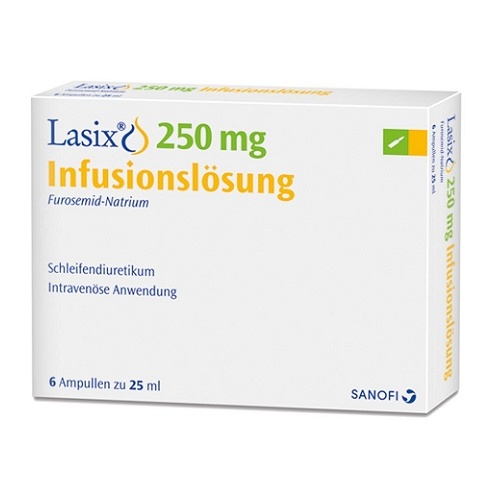
| Name of the medicine | Lasix |
|---|---|
| Main active substance | Furosemide |
| Primary use | Management of swelling (edema) |
| Strengths offered | 20 mg, 40 mg, 80 mg tablets |
| How quickly it acts | Within 30–60 minutes after oral intake |
| Effect duration | Approximately 6–8 hours per dose |
| Frequency of administration | Usually once or twice daily, depending on prescription |
| Prescription status in U.S. | Prescription required |
| Typical retail price | $10–$25 per 30-tablet bottle (generic) |
Lasix for Edema: What to Know Before You Buy in the United States
Lasix, which contains the active compound Furosemide, is a medication used to treat swelling due to fluid buildup—commonly known as edema. As a prescription drug available across the United States, Lasix is regulated and approved for medical use, primarily in conditions where excess fluid must be managed safely and effectively.
You Are Not Alone: Understanding Edema in the United States
Swelling from fluid retention is not a rare issue. According to the Centers for Disease Control and Prevention (CDC), in 2021, more than 6.5 million adults in the U.S. experienced heart failure, a major cause of edema. Beyond heart problems, liver disease, kidney disorders, and certain medications frequently lead to excess fluid buildup. The American Heart Association (AHA, 2022) highlights that managing edema is a common concern, and most people can find effective solutions with the right approach. Knowing that millions of Americans face this challenge each year can help reduce the sense of isolation or worry you might feel—this is a well-recognized condition, and proven treatments exist.
How Lasix Addresses Fluid Buildup: The Mechanism and What to Expect
Lasix belongs to a group of medicines called loop diuretics—sometimes simply called “water pills.” It works by acting on your kidneys, specifically the loop of Henle, a part of the kidney’s filtering system. Here’s how it helps:
- Prevents reabsorption of salt and water: Furosemide blocks the return of sodium and chloride from the urine back into the blood. This means more salt—and with it, more water—is expelled in urine.
- Reduces swelling: As excess fluid is removed through increased urination, swelling in the legs, ankles, lungs, or abdomen lessens.
- When you’ll notice it: Most people begin to urinate more within an hour of taking a tablet, with the peak effect at 1–2 hours. Relief from swelling occurs gradually over hours to days, depending on the underlying cause.
The practical effect: you’ll likely notice a reduction in puffiness, less shortness of breath if fluid is in your lungs, and a general sense of relief as your body sheds the excess water. However, it’s important to maintain regular check-ins with your healthcare provider, as losing too much fluid too quickly can carry risks.
Which Option Fits My Needs? When Lasix Is—and Isn’t—the Right Choice
| Your Situation | Is Lasix Suitable? | Reasoning |
|---|---|---|
| Swelling due to heart, kidney, or liver disease, and no severe allergies to sulfa drugs | Yes | Lasix is clinically proven for these causes of edema and is a standard first-line treatment. |
| Mild, occasional swelling (e.g., from standing or travel) with no underlying medical condition | Sometimes, but alternatives may be better | For minor, temporary swelling, lifestyle changes or gentler remedies may be enough; Lasix may be too strong. |
| History of allergy to furosemide or severe sensitivity to sulfonamides, pregnancy, or current dehydration | No | Lasix is not recommended due to risk of allergic reaction or harm to you or your pregnancy; seek alternatives with your doctor. |
If you see your own situation in this table, you’re closer to a decision. If your scenario isn’t described, or if you have several complicating health issues, a brief consultation with a healthcare provider is the safest next step.
Practical Use: Taking Lasix Day-to-Day
- When to take: Most people take Lasix in the morning. If prescribed twice daily, take the second dose early in the afternoon to avoid nighttime trips to the bathroom.
- With or without food: Lasix can be taken on an empty stomach or with food—whichever is easier on your digestive system.
- If you forget a dose: Take it as soon as you remember, unless it’s almost time for your next scheduled dose. Never double the dose to “catch up.”
- If you don’t notice improvement: Sometimes it takes several doses before significant swelling reduction is noticed. If there’s no change after a few days, or your symptoms worsen, contact your doctor for guidance.
- Stay hydrated—but not too much: While Lasix removes excess fluid, you shouldn’t restrict water without explicit medical advice. Balance is key.
- Monitor your weight: Daily weight checks are often recommended. Sudden gains or losses may indicate fluid shifts that need attention.
Doctor’s advice: “Lasix can be very effective, but it’s important to watch for signs of dehydration or electrolyte imbalance—things like lightheadedness, dry mouth, or muscle cramps. Even though you’re trying to lose fluid, losing too much can be just as dangerous.”
Is Lasix Safe for Everyone? Contraindications Explained
Lasix is not suitable for everyone. The main situations where you should not use Lasix include:
- Severe allergy to furosemide or other sulfa drugs: Risk of severe allergic reactions.
- Severe dehydration or low blood volume: Lasix can worsen these and cause dangerously low blood pressure.
- Advanced kidney failure not producing urine: Lasix will not work and may increase toxicity risks.
- Pregnancy and breastfeeding: Not generally recommended unless absolutely necessary, due to possible risks to the baby.
- Low potassium or sodium levels: The medication can exacerbate dangerous electrolyte imbalances.
Each contraindication is based on the risk of serious harm, ranging from allergic reactions to profound drops in blood pressure or critical mineral levels. Always review your full medical history with your prescriber before starting Lasix.
Side Effects: What to Expect and When to Act
- Common and usually mild: Increased urination, thirst, headache, dizziness on standing, mild muscle cramps.
- Less common but important: Hearing changes (especially at high doses), rash, or sensitivity to sunlight.
- Rare but serious—seek medical help immediately if you experience:
- Severe dizziness or fainting
- Irregular heartbeat or chest pain
- Difficulty breathing or swelling of the face/tongue (possible allergic reaction)
- Unusual confusion or severe weakness
If you encounter symptoms that feel dangerous or rapidly get worse, call the Poison Help line at 1-800-222-1222 or dial 911 for emergency services in the United States.
Most side effects are dose-dependent and improve with time or dose adjustment. If mild symptoms persist or cause you concern, contact your healthcare provider for advice.
Medication Interactions: What Not to Mix with Lasix
Some drugs and supplements can interact with Lasix, raising the risk of dehydration, kidney strain, or electrolyte problems. The main categories include:
- Other diuretics (“water pills”): Increase risk of dehydration and low potassium/sodium.
- Blood pressure medications: May lead to low blood pressure; dose adjustments may be needed.
- NSAIDs (like ibuprofen): Can blunt the effect of Lasix or stress the kidneys.
- Certain antibiotics and lithium: Can interact in ways that may require extra monitoring or dose reduction.
- Herbal supplements: Some, such as licorice root or dandelion, may increase the risk of potassium loss.
Always inform your doctor and pharmacist of all medications and supplements you take, even over-the-counter products. This helps avoid dangerous drug interactions and ensures safe, optimal treatment.
How Does Lasix Stack Up? Comparisons and Alternatives
| Medication | When Preferred | Key Advantages | Limitations |
|---|---|---|---|
| Lasix (Furosemide) | Rapid fluid removal needed, severe edema, heart/kidney/liver conditions | Fast acting, effective for substantial swelling, available as generic | Can cause rapid fluid and electrolyte loss; requires prescription and monitoring |
| Hydrochlorothiazide | Mild to moderate edema, high blood pressure | Gentler effect, fewer electrolyte shifts | Not as powerful for severe swelling |
| Torsemide or Bumetanide | When Lasix isn’t effective or tolerated | Similar action, sometimes longer effect | Less clinical experience, may be costlier |
| Spironolactone | Liver-related edema or risk of low potassium | Potassium-sparing, addresses hormone-related fluid | Not for rapid relief, hormonal side effects |
Lasix is highly effective for marked swelling and situations needing a fast result, but it is not always the best first-line choice for milder cases or for those at risk of electrolyte imbalance. Alternatives are available and sometimes safer for specific patient groups.
Buying Lasix in the United States: What to Expect and What You’ll Pay
Lasix (furosemide) is a prescription medication in the United States, meaning a doctor’s approval is needed to purchase it legally from a pharmacy or online provider. The U.S. Food and Drug Administration (FDA) regulates both brand-name and generic versions, and most pharmacies stock the generic form due to its lower price.
Some online platforms offer telemedicine consultations that include a prescription, streamlining the purchase process. Prices can vary based on insurance, pharmacy, dosage, and whether you use a discount card. Uninsured patients may pay more, but generic furosemide remains relatively affordable compared to many other prescription drugs.
| Cost Item | Amount | Note |
|---|---|---|
| Doctor/telemedicine consultation | $40–$150 | Online or in-person; may be covered by insurance |
| Prescription (if not included with visit) | $0–$25 | Some clinics charge separately |
| Lasix (Furosemide) 40 mg, 30 tablets | $10–$25 (generic) | Local or online pharmacy |
| Standard shipping/delivery | $5–$15 | Varies by pharmacy and region |
| Total | $55–$215 | From basic local pickup to full online service with telehealth |
Insurance, discount programs, or patient assistance cards can reduce the out-of-pocket cost. Be sure to use a licensed pharmacy—counterfeit medications are rare in the regulated U.S. market, but can occur with unverified online sources.
Still Unsure? Frequently Overlooked Questions
- Can I buy Lasix without a prescription in the U.S.? Legally, no. All reputable pharmacies require a doctor’s prescription, but online telehealth providers can streamline this process for many adults with confirmed need.
- What should I do if my swelling returns after stopping Lasix? Rebound edema can happen. Don’t restart Lasix on your own—contact your doctor to reassess the underlying cause and adjust your treatment.
- Is it safe to drive or work after taking Lasix? Most people can, but be cautious if you feel dizzy or lightheaded—especially when first starting or increasing the dose.
- How often will I need lab tests? Bloodwork to monitor kidney function and electrolytes is standard, often before starting Lasix and then periodically. The frequency depends on your condition and dose.
- Does Lasix cure the underlying cause of edema? No. It manages the symptom (fluid buildup) but does not address the root disease (such as heart, kidney, or liver problems). Ongoing management of the underlying problem is essential.