- Home/
- Buy Glucophage Without Prescription in the United States Online
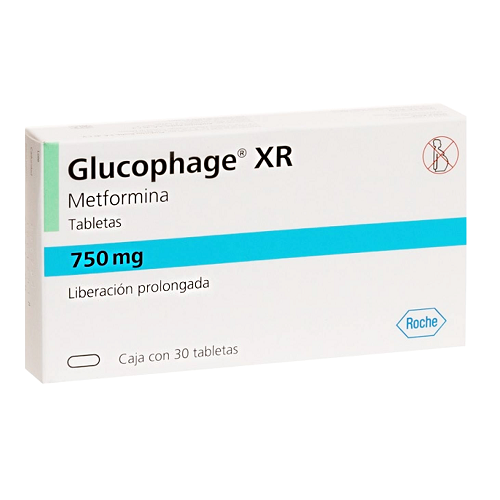
| Brand Name | Glucophage |
|---|---|
| Main Compound | Metformin |
| Intended Use | Management of Type 2 Diabetes |
| Pill Strengths | 500 mg, 850 mg, 1000 mg |
| Activation Timeframe | Begins lowering blood sugar within days; full effect after 1–2 weeks |
| Effect Duration | 8–12 hours per dose (immediate-release); up to 24 hours (extended-release) |
| Dosing Frequency | Daily (once or twice, depending on formulation) |
| Prescription Status in U.S. | Prescription required |
| Typical Cost Range | $4–$30 per month (generic); brand versions higher |
Glucophage: Metformin Use, Safety, and Access in the United States
Glucophage, based on the active agent metformin, is one of the most prescribed treatments for Type 2 Diabetes. It is legally available by prescription across the United States and plays a critical role in controlling blood sugar for millions. Below, you’ll find the essential answers about whether it’s right for you, how it works, and what to expect when considering or starting Glucophage.
Understanding Type 2 Diabetes: You Are Not Alone
Type 2 Diabetes is a widespread and manageable chronic condition. According to the Centers for Disease Control and Prevention (CDC), in 2022, over 37 million people in the United States were living with diabetes, with 90–95% of these cases being Type 2. These numbers reflect not only the prevalence but also the progress in diagnosis and management. With effective treatment, most people with Type 2 Diabetes can lead active, full lives. You are not facing this challenge on your own, and proven solutions exist.
How Glucophage Addresses Blood Sugar: The Mechanism and What You’ll Notice
Glucophage (metformin) targets the core issues of Type 2 Diabetes by improving the way your body handles sugar. On a cellular level, metformin decreases the amount of glucose (sugar) produced by the liver and increases the sensitivity of muscle and fat cells to insulin, the hormone that helps move sugar from the bloodstream into cells for energy. The result: your blood sugar levels are more stable, especially after meals, and the risk of dangerous highs (hyperglycemia) is reduced.
- Mechanism in the body: Metformin suppresses excess liver glucose production and boosts the cells’ ability to use available insulin.
- For you: Most people do not “feel” the effect directly, but blood sugar measurements typically show improvement within days to weeks. Some notice fewer symptoms like thirst, fatigue, or frequent urination as blood glucose stabilizes.
- Long-term benefit: Continuous use lowers the risk of diabetes-related complications, such as nerve damage, kidney issues, and vision problems.
In clinical studies, metformin has shown efficacy in controlling blood sugar for most patients with Type 2 Diabetes, and it is often the first medicine recommended by diabetes specialists in the United States (American Diabetes Association, 2023).
Choosing Glucophage: Who Benefits, Who Might Not
| Situation | Is Glucophage Suitable? | Why / Why Not |
|---|---|---|
| Newly diagnosed with Type 2 Diabetes, overweight, no kidney issues | Yes | Glucophage is typically the first-line therapy due to both safety and weight-neutral (or weight-reducing) effects. |
| Type 2 Diabetes with mild kidney impairment (eGFR 45–60 mL/min) | Possibly, with caution | Lower starting dose, regular kidney monitoring required. Decision made with your physician. |
| Severe kidney disease (eGFR <30 mL/min) | No | Risk of lactic acidosis is higher; alternative treatments are needed. |
| Seeking to manage Type 2 Diabetes during pregnancy | Sometimes | Insulin is preferred; metformin may be used in certain situations with close medical supervision. |
| Type 1 Diabetes or diabetic ketoacidosis | No | Glucophage is not effective or safe for these conditions. |
| Type 2 Diabetes with ongoing heart failure | Cautiously | May be used in stable heart failure but not in severe or unstable cases; consult your cardiologist. |
This table helps clarify if Glucophage matches your health profile. Always verify your eligibility with your healthcare provider, who can interpret your kidney and heart function tests and recommend the safest regimen.
Practical Use: Starting, Adjusting, and What Ifs
- How to take: Swallow tablets whole with a meal to reduce stomach upset. Typically taken once or twice daily, depending on dose and formulation (immediate- or extended-release).
- If you miss a dose: Skip the missed dose and take your next one at the usual time. Do not double up.
- If you experience stomach upset: This is common initially; taking with food, starting at a low dose, and slow titration helps. Symptoms usually improve after a few days to weeks.
- If blood sugar stays high despite use: Review your dosing, diet, and adherence with your doctor. Additional medications or adjustments may be necessary.
- Alcohol and Glucophage: Limit alcohol intake. Drinking heavily while on metformin can increase the risk of rare but serious side effects (such as lactic acidosis).
- Laboratory monitoring: Kidney function should be checked regularly (at least annually), along with vitamin B12 if on long-term therapy.
Never stop Glucophage suddenly without discussing with your doctor, unless advised to do so for a medical procedure or imaging with contrast dye, in which case temporary discontinuation may be recommended.
Who Should Not Use Glucophage: Contraindications Explained
- Severe kidney disease: Not recommended because the kidneys clear metformin; impaired function increases risk of dangerous lactic acid buildup.
- Active liver disease: The liver also helps remove lactic acid; dysfunction raises risk of serious complications.
- Severe infection, dehydration, or shock: Conditions with poor oxygenation or dehydration can increase the chance of lactic acidosis.
- Excessive alcohol use: Chronic or binge drinking can destabilize glucose control and heighten lactic acidosis risk.
- Recent heart attack or unstable heart failure: These conditions may temporarily reduce oxygen delivery to tissues, increasing risk.
In any of these scenarios, alternative therapies are safer, and your doctor can guide you to appropriate care. The U.S. Food and Drug Administration (FDA) enforces these restrictions for your safety.
Side Effects: What’s Common, What’s Serious
- Frequently: Mild gastrointestinal side effects—such as nausea, diarrhea, stomach pain—occur in up to 20–30% of users, especially at the start. These symptoms typically resolve within weeks with continued therapy or slower dose increase.
- Occasionally: Taste disturbances and mild decrease in vitamin B12 levels with long-term use.
- Rarely (but serious): Lactic acidosis—a dangerous buildup of acid in the blood—manifests as rapid breathing, extreme fatigue, muscle pain, or confusion. This is a medical emergency. If you develop these symptoms, call 911 immediately.
Most users tolerate Glucophage well and experience no lasting side effects. If new or unexpected symptoms develop, consult your healthcare provider for advice.
Drug and Food Interactions: What to Avoid
Some medications and situations may interact with Glucophage and either increase side effects or decrease effectiveness. Key examples include:
- Contrast dyes for imaging procedures: May temporarily impair kidney function; metformin may need to be paused.
- Other diabetes medications: Combining with insulin or sulfonylureas can cause low blood sugar (hypoglycemia); monitor closely.
- Certain blood pressure or heart medications: ACE inhibitors, diuretics, and beta-blockers may alter blood sugar control or kidney function.
- Alcohol: Increases the risk of lactic acidosis; best limited or avoided.
If you are prescribed a new medication, tell your doctor or pharmacist that you take Glucophage. Your provider may recommend additional monitoring or temporary adjustments as needed.
Alternatives and Comparisons: Is Glucophage the Best Fit?
| Medication | Main Benefit | Main Limitation | When Preferred |
|---|---|---|---|
| Glucophage (Metformin) | Proven safety, weight-neutral, low hypoglycemia risk | Gastrointestinal side effects in some, not for severe kidney disease | First-line for most adults with Type 2 Diabetes |
| SGLT2 Inhibitors (e.g., empagliflozin, canagliflozin) |
Weight loss, heart/kidney protection | Higher cost, potential for urinary infections | Used when additional heart or kidney benefit is needed, or when metformin is not tolerated |
| GLP-1 Receptor Agonists (e.g., semaglutide, liraglutide) |
Weight loss, lower cardiovascular risk | Injected, expensive, possible nausea | Considered for higher-risk patients or where weight loss is a priority |
| Sulfonylureas (e.g., glipizide) |
Affordable, effective in lowering blood sugar | Hypoglycemia risk, weight gain | Alternative if metformin is not tolerated or contraindicated |
| Insulin | Most effective for lowering blood glucose | Daily injections, risk of hypoglycemia, weight gain | Required when oral therapies fail or in acute situations |
Glucophage remains the preferred starting medication for most adults recently diagnosed with Type 2 Diabetes. However, for those with advanced kidney disease, intolerance to metformin, or specific heart/kidney concerns, other options may be safer or more effective. Honest discussion with your healthcare provider will help you find the best match for your unique health needs and financial situation.
What You’ll Actually Pay: Glucophage in the U.S. Market
| Expense Category | Typical Cost (USD) | Notes |
|---|---|---|
| Initial doctor consultation | $75–$200 | Varies by insurance, location, and in-person vs. telemedicine |
| Prescription processing | $0–$20 | Some clinics include in visit; others charge separately |
| Generic Metformin (monthly supply) | $4–$30 | Large retail pharmacies often offer $4 generics; brand-name Glucophage can cost $100+ |
| Delivery (mail-order pharmacy) | $0–$10 | Many plans offer free standard shipping |
| Total Cost (1st month) | $79–$260 | Higher end includes brand version, separate script fee, and uninsured doctor visit |
| Total Cost (following months) | $4–$40 | Only medication and possible delivery costs |
Insurance coverage, use of a generic version, and mail-order delivery can substantially lower costs. Major U.S. pharmacy chains offer generic metformin (the same active ingredient as Glucophage) through discount programs, making cost rarely a barrier for most Americans.
What If I Still Have Questions?
If your clinical scenario does not fit any of the examples above, or if you are already taking other medications for diabetes or other chronic conditions, individualized advice is essential. There are hundreds of possible drug combinations and medical histories that can affect treatment choice. U.S. pharmacists and board-certified endocrinologists are trained to navigate these complexities and can explain your options in detail.
The U.S. Food and Drug Administration (FDA) oversees the safety and approval of diabetes treatments like Glucophage. If you are concerned about the legitimacy of your medication, check the packaging for FDA approval markings, and purchase only from licensed U.S. pharmacies—physical or online.
Metformin is not a substitute for lifestyle changes. For best results, combine medication with a balanced diet, regular physical activity, and routine medical checkups. Remember, guidance from your healthcare team is not just a formality—it is a key part of safe, effective treatment for Type 2 Diabetes.